Last updated November 25, 2026





Free written scope consultation - allowances, timeline, and change-order rules on paper before a single trade is scheduled
DIY vs Professional Construction: The Bellevue Homeowner’s Decision Guide
Most advice about DIY versus hiring a pro frames the choice as a skill question. Can you handle a tile saw? Do you know how to sweat a copper joint? That framing misses what actually decides the outcome in Bellevue. The real variables are permit exposure, resale documentation, and how the city’s inspection process treats owner-performed work compared with work done by a licensed contractor. A homeowner can be genuinely capable and still create a legal and financial problem that costs more than the labor they saved. This guide walks through what Bellevue’s owner-builder pathway actually allows, which trades carry real risk, how the resale market reads unpermitted work, and a decision framework built on project type, budget and how long you plan to stay. By the end you’ll know where your own hands are an asset and where they’re a liability.
Quick Answer
In Bellevue, hire a licensed professional for anything structural, electrical, plumbing or waterproofing-related, and for any project you’ll need to document at resale. Do the work yourself only when it’s cosmetic, reversible, and doesn’t require a permit: interior painting, landscaping, cabinet hardware, swapping a faucet. The dividing line isn’t your confidence. It’s whether the work needs inspection, permit records, or a manufacturer warranty that depends on licensed installation.
Styles & brands we work with
- Kitchen remodeling
- Bathroom remodeling
- Home additions & ADU
- Roofing
- Windows & doors
- Driveway & pavers
- Fence
Table of Contents
- What Bellevue’s owner-builder permit pathway actually allows
- How DIY work affects your insurance during and after construction
- The trades where DIY is low-risk in Bellevue, and the ones where it isn’t
- How Bellevue’s resale market reads DIY work versus permitted contractor work
- The warranty problem most DIYers don’t see coming
- A decision framework built on project type, resale timeline and budget
- What Bellevue’s climate does to a half-finished project
- Neighborhood context: where the DIY calculus shifts
What Bellevue’s owner-builder permit pathway actually allows
Washington State lets a homeowner act as their own contractor on their own residence through what’s commonly called an owner-builder arrangement. Bellevue follows the state framework. What that means in practice: you can pull permits in your own name, you can do the work yourself, and you can hire and supervise subcontractors directly. You are, in the eyes of the city and the state, the general contractor on that job.
What it prohibits is narrower than most people assume, and more consequential. The owner-builder exemption applies to a home you intend to occupy, not a property you’re flipping or holding as a rental. It doesn’t exempt you from code compliance. It doesn’t exempt you from inspections. And it doesn’t transfer to a future buyer, which is the crux of the resale problem covered further down.
Here’s what the pathway involves when you go this route in Bellevue:
- You file for the permit in your own name. The city records you as the contractor of record, not a licensed builder.
- You schedule and pass every inspection yourself. Framing, rough-in, insulation, final. Nobody is coordinating that sequence for you, and a failed inspection halts the project until it’s corrected and reinspected.
- You carry the liability. If a subcontractor you hired is uninsured and someone gets hurt, that exposure lands on your homeowner policy and on you personally.
- You produce the records. At resale, you’re the one who has to show what was permitted and what was inspected.
That last point matters more in Bellevue than in many markets, because buyers here tend to be informed and lenders tend to be careful. An owner-builder permit is a legitimate record. It is not the same record as a contractor-pulled permit, and it doesn’t come with a licensed contractor’s affidavit of work performed. We’ll come back to why that gap is expensive.
How DIY work affects your insurance during and after construction
Your homeowner policy isn’t designed to cover a construction site. That’s the part most DIYers don’t think through. Standard policies generally exclude or limit coverage for property damage arising from work performed by the insured, and injuries to anyone working on your property raise questions about whether they were an employee, a subcontractor, or a helper.
During the project, the exposure looks like this:
- Injury to helpers. If a friend or family member gets hurt helping you frame a wall, your policy may treat it very differently than an injury to a licensed, insured trade contractor’s employee.
- Damage to the structure mid-project. Water intrusion into an open wall, a fire from a wiring mistake, a load-bearing wall opened without engineering. Whether your policy responds to your own workmanship is a policy-by-policy question and one worth asking your insurer before you start.
- Uninsured subs. If you hire a sub directly under an owner-builder permit, verifying their insurance and registration is your job. If you don’t, you’re absorbing their risk.
After construction, the exposure changes shape. An unpermitted or improperly permitted improvement can complicate a future claim. If a fire traces to wiring installed without a permit and without inspection, an insurer has grounds to question the claim. That’s not a scare tactic, it’s the standard way policies treat undisclosed or non-compliant work.
Professional work shifts this. The licensed local pro carries their own liability coverage and their own bonding, and the permit and inspection trail documents that the work met code. We connect Bellevue homeowners with local pros who are licensed and insured as the state requires, and the vetted professional’s insurance is the layer standing between your project and your policy. Before you commit to doing a project yourself, one phone call to your insurer is the cheapest hour you’ll spend. Ask two questions: does my policy cover damage from my own work during construction, and does an unpermitted improvement affect my coverage?
The trades where DIY is low-risk in Bellevue, and the ones where it isn’t
The distinction that matters isn’t difficulty. It’s reversibility and consequence. A painting mistake gets covered with another coat. An electrical mistake can burn the house down. Sort your project by that measure and the decision gets clearer fast.
Genuinely low-risk DIY in Bellevue
- Interior painting. Prep, primer, two coats, and you’re done. Mistakes are cosmetic and correctable. This is the one category where a careful homeowner routinely gets a professional-looking result. A full-scope interior repaint, though, is a different animal once ceilings, trim, and doors enter the picture. We handle interior and exterior painting across Bellevue when the scope grows past a single room.
- Landscaping and yard work. Planting, mulching, hardscape that doesn’t touch the foundation or change drainage toward the house. Low consequence, low permit exposure.
- Cabinet hardware and fixture swaps. New pulls, a new faucet, a new showerhead. These are reversible and don’t require a permit. Picking the right fixtures is where brand knowledge helps, whether you lean toward Moen’s reliability or Delta’s finish options.
- Cosmetic tile replacement. Swapping a backsplash that sits on sound substrate. The moment you’re waterproofing a shower, this stops being low-risk.
High-risk DIY in Bellevue, without exception
- Electrical panel work and any new circuits. Panel changes, service upgrades, adding circuits for a kitchen or a heat pump. This is dangerous, it’s permitted work, and an untrained mistake can be fatal. No homeowner should be inside a live panel. Full stop.
- Structural modifications. Removing a wall, opening a load path, adding a beam, cutting a header. Bellevue’s housing stock includes a lot of homes from the mid-century era onward where what’s load-bearing isn’t obvious from the surface. This needs engineering and permits.
- Waterproofing. Shower pans, wet-room membranes, exterior flashing. Water damage is slow, hidden, and expensive. A shower that leaks for six months destroys the framing behind it before you see a stain. Waterproofing done wrong is worse than not done, because it traps moisture instead of shedding it.
- Anything that touches gas. Gas lines, gas appliance connections. Permitted, inspected, out of the DIY column entirely.
- Roofing and steep-roof work. Fall risk, and installation details that determine whether the roof performs. If you’re considering roofing, ours spans full-scope home remodeling, not just the interior.
Our technicians have up to 14 years of experience across these trades, and the pattern is consistent: the projects that go wrong in Bellevue are rarely the cosmetic ones. They’re the ones where a homeowner crossed into a licensed trade without realizing they’d crossed.
How Bellevue’s resale market reads DIY work versus permitted contractor work
Here’s where the decision stops being about skill and becomes about money. Bellevue buyers are informed. Their agents are informed. Their inspectors and appraisers are informed. When a listing shows a finished basement, a deck, or a kitchen that doesn’t appear in permit records, the transaction gets complicated in ways that cost real dollars.
Picture a homeowner who builds their own deck and saves the labor and margin a contractor would have charged. The deck meets code, it looks fine, and it’s permitted under an owner-builder permit. Then the house goes on the market. The buyer’s inspector flags that the deck was owner-built. The buyer’s lender, depending on the loan type, may ask for documentation the owner-builder record can’t fully produce: an affidavit of work performed by a licensed contractor. That affidavit doesn’t exist, because no licensed contractor built the deck. What follows is negotiation under pressure: credits, price reductions, or a buyer who walks. In some scenarios the buyer’s lender conditions the loan on licensed remediation.
Which project types carry the clearest appraisal and inspection consequences in Bellevue?
- Additions and finished square footage. Appraisers count permitted, heated square footage. An unpermitted addition may not count toward appraised value, and that directly affects what a buyer can finance.
- Decks, covered patios, and outbuildings. Easily flagged by inspectors, easily the reason a lender asks for documentation.
- Kitchen and bathroom remodels. Electrical, plumbing and waterproofing are all permitted work. An unpermitted bathroom in Bellevue is a red flag for the buyer’s inspector because the failure mode, hidden water damage, is invisible.
- Structural changes. The most serious flag. Removing a wall without engineering documentation creates a question no buyer’s lender wants to answer.
Permitted contractor work produces a clean paper trail: the permit in the contractor’s name, the inspection record, the contractor’s affidavit, and often a workmanship warranty. That trail is what an appraiser, inspector, and lender need. It’s also the reason professionally scoped projects protect resale value in a way that owner-built equivalents often don’t, even when the workmanship is equivalent.
The warranty problem most DIYers don’t see coming
Manufacturers build their warranties around installation. Not around the product sitting in a box, around who installed it and how. Skip that, and you can void the coverage on a premium material before it ever goes up.
The pattern repeats across the products homeowners consider installing themselves. Premium window systems, tile and waterproofing systems, engineered panels: many carry warranties that require licensed installer documentation to stay valid. Install it yourself and the product may still work, but the manufacturer’s coverage is often gone. And the warranty is part of what you paid for. It’s a large part of it.
This is where product knowledge ends up doing double duty. Our work spans cabinet lines like KraftMaid and Wellborn, surface brands including Cambria, Silestone and Caesarstone, and systems that depend on correct specification as much as correct installation. Fixture choices across Kohler, Moen, Blanco and Delta are straightforward to source. The installation documentation behind the warranty is not. When a homeowner asks us whether they should install a particular product themselves, the first question isn’t whether they can. It’s whether the manufacturer will still stand behind it afterward.
Our technicians have up to 14 years of experience, and the pattern holds: the DIYers who run into trouble aren’t the ones who installed it badly. They’re the ones who installed it well and lost the warranty anyway because nobody documented the install.
A decision framework built on project type, resale timeline and budget
“Know your limits” is not a decision framework. It’s a slogan. Here’s one built on the three variables that actually determine the right answer in Bellevue.
Step 1: Classify the project by permit exposure
- No permit required, cosmetic and reversible. Painting, hardware, fixtures, landscaping. DIY is a reasonable option.
- Permit required, single trade, low structural risk. A permitted electrical circuit, a plumbing change, a water heater replacement. Licensed professionals only; the permit process assumes a licensed contractor.
- Permit required, multiple trades, structural or waterproofing involved. Kitchens, bathrooms, additions, decks, structural changes. Professional, full stop. This is where the owner-builder savings get eaten by resale complications.
Step 2: Set your resale horizon
How long do you plan to stay? This is the variable most homeowners skip. If you’re staying for decades and never plan to sell, some of the resale-documentation pressure softens; the work is still permitted and inspected, because your insurance and your family’s safety don’t care about resale. If you’re selling within a few years, permit records are part of the transaction and the owner-builder gap becomes a direct cost. A remodel is expensive enough that you should price in the cost of selling, not just the cost of building.
Step 3: Match budget to scope, not the other way around
A common Bellevue mistake is using DIY as a budget tool on a project that shouldn’t be DIY at all. The better move is to shrink the professional scope rather than shift the risk onto yourself. A kitchen remodel doesn’t have to happen all at once. Do the professional plumbing and electrical now, defer the cosmetic tile and paint. That keeps the risky work with the people whose licenses cover it and lets you do the parts you can safely handle. We handle kitchen remodeling in Bellevue in phases exactly for this reason, and pricing is set per job by a free, written estimate, not a ballpark over the phone.
The framework in one sentence: let permit exposure decide whether you’re in the DIY column, and let resale horizon decide whether owner-builder savings are savings at all.
What Bellevue’s climate does to a half-finished project
Bellevue’s long wet season is the quiet variable in a DIY project. An experienced remodeler builds a schedule around it. A homeowner working on weekends often doesn’t, and the consequences show up months later.
- Open walls in the wet season. Roofing off, siding removed, a deck framed but not closed: every week a project sits open during Bellevue’s rainy stretch is a week moisture gets into framing.
- Exterior painting windows. Exterior paint needs a dry, warm-enough window to cure properly. A DIYer who paints too late in the season gets peeling and blistering that a pro’s scheduling would have avoided. Exterior painting here is a seasonal discipline, not a weekend project.
- Waterproofing exposed to weather. A shower membrane or flashing detail that’s rushed to beat the rain is exactly the detail that fails. Waterproofing is the trade where the weather variable and the skill variable compound.
This is where a pro’s calendar knowledge pays for itself. Knowing which month supports an exterior paint job, when a roof can come off safely, and how to sequence work around Bellevue’s wet stretches is part of the job. When a DIY project stalls past its weather window, the finishing cost often exceeds the labor the homeowner saved. A free estimate doesn’t just give you a number. It gives you a schedule that respects the season.
Neighborhood context: where the DIY calculus shifts
The right answer varies by neighborhood, because Bellevue’s housing stock varies, and the permit and resale realities change with it.
- Older homes in central Bellevue. Aging knob-and-tube wiring, older plumbing, and previous renovation layers matter. Opening a wall here often reveals work that needs a professional, and what’s beneath the surface is genuinely unknown until it’s open. DIY risk here is the highest because the surprises are the most expensive.
- Newer construction and townhomes. Tighter tolerances, shared walls, and HOA rules that affect what you can change. Waterproofing and building-envelope work in particular needs professional detailing. Homeowners here have less latitude and more consequence per mistake.
- Hillside properties. Drainage, retaining structures, and grade are part of the decision. Any work that changes water flow near a slope is firmly in the professional column, and sometimes the engineering column.
The consistent theme across Bellevue: the older and more complex the home, the more a professional surprises-to-handle capability is worth. Our residential portfolio spans bathroom remodeling in Bellevue, kitchens, flooring, painting, siding and window systems, plus prefab and ADU structures. When work spans multiple trades, keeping it with one company closes the accountability gap that happens when a DIY project runs into something only a professional can finish.
Common Mistakes to Avoid
- Assuming a permit is optional because the work is inside. The bulk of high-risk work, electrical, plumbing, waterproofing, lives inside the house. Bellevue buyers’ inspectors know this. Interior work is not exempt work.
- Pulling an owner-builder permit without understanding the resale consequence. The permit is legitimate, but the missing contractor affidavit can cost real money at transaction time. Know that going in.
- Installing premium materials without documenting the install. A warranty tied to licensed installation is part of what you’re buying. DIY voids it more often than people expect.
- Skipping the call to your insurer. Your homeowner policy is not a construction policy. Two questions to your insurer before you start can save you thousands if the project goes sideways.
- Starting an exterior project without a weather window. Bellevue’s wet stretch doesn’t negotiate. A stalled project open to the weather costs more than a professional schedule would have.
- Using DIY as the budget. Shrink the professional scope instead: permit the risky trades, defer the cosmetic ones. Same total project, far less risk.
- Forgetting the final inspection. An owner-built project that never got its final inspection leaves a floating permit record, which a buyer’s title search surfaces. Close the file before you sell.
See the difference
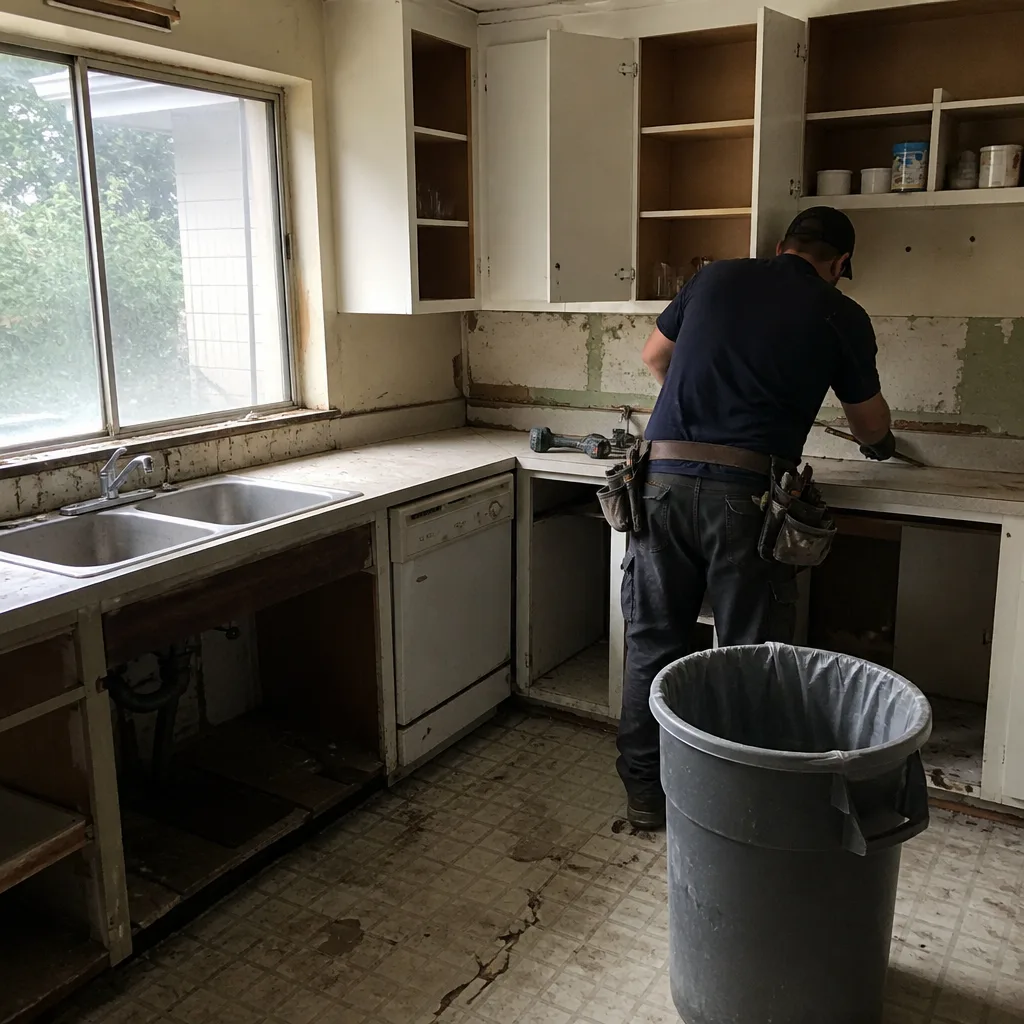 Before
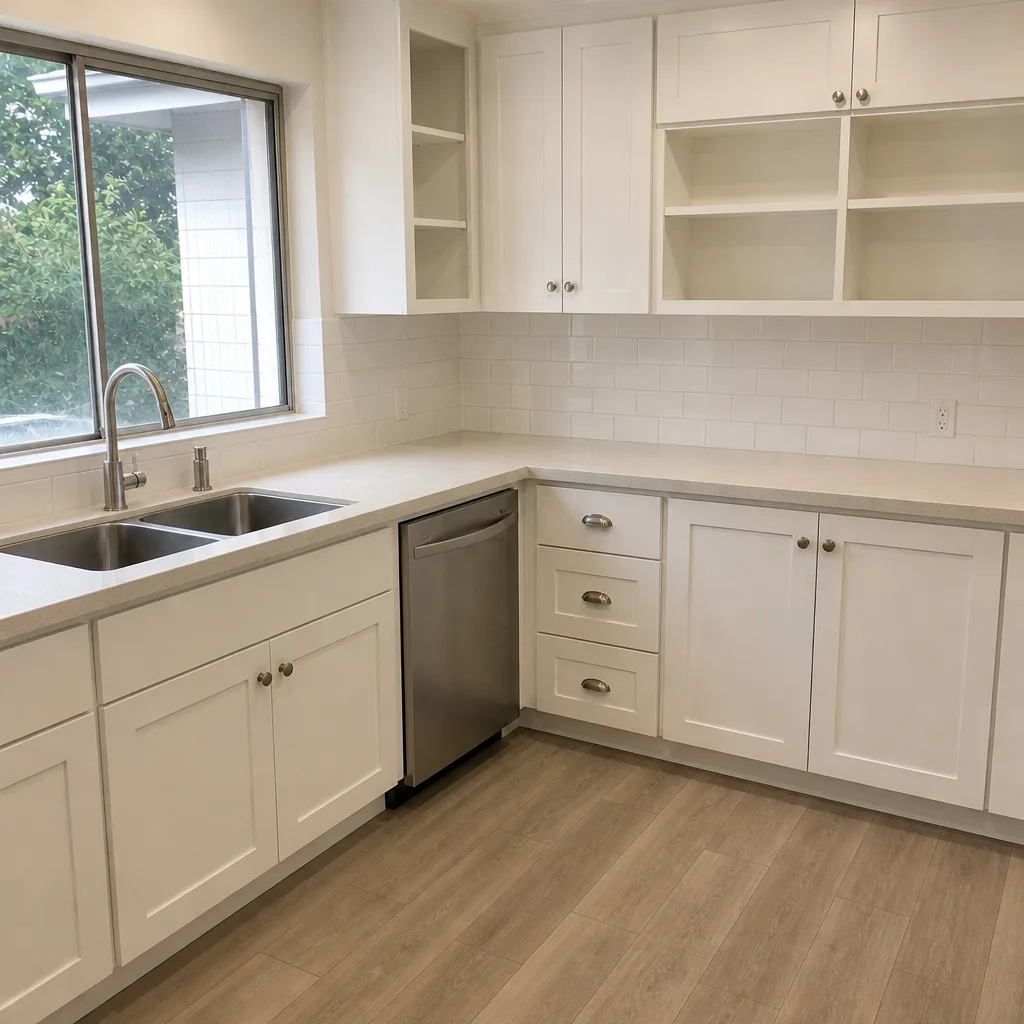 After
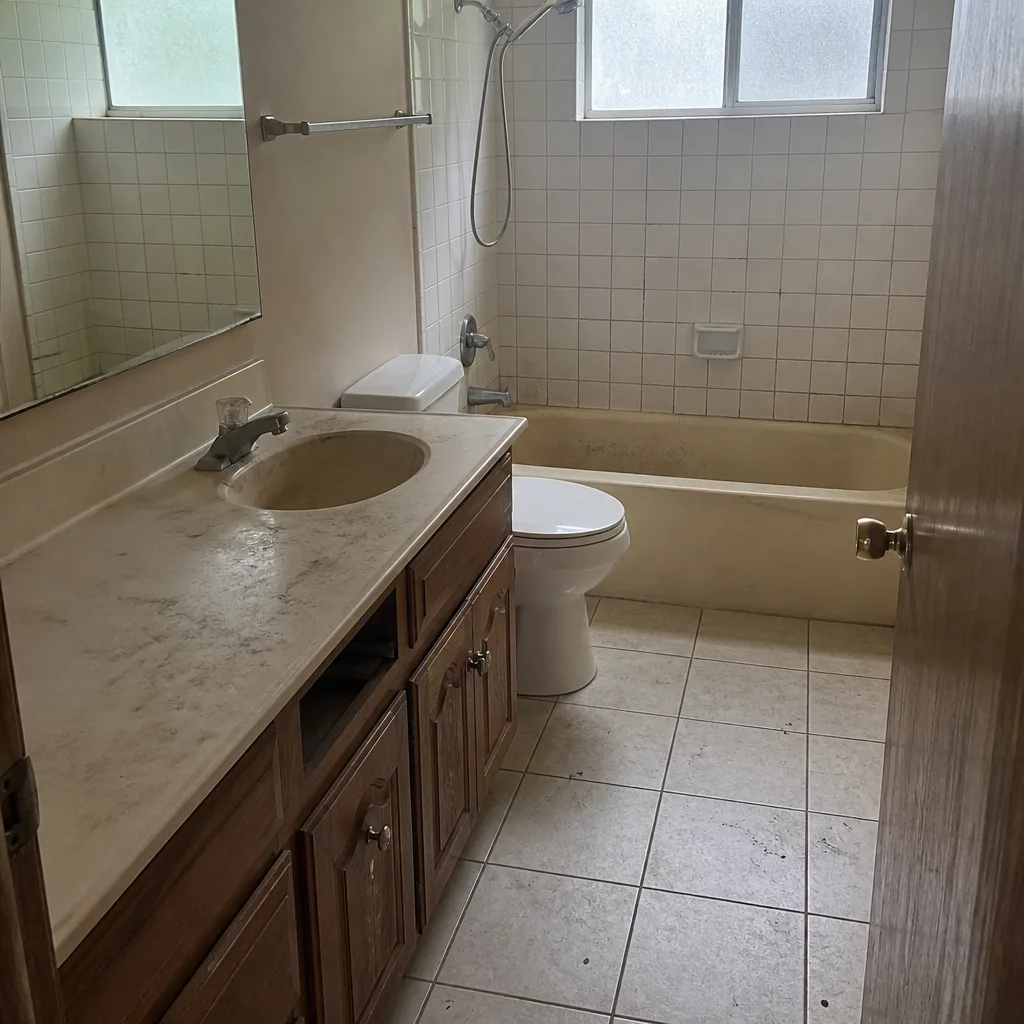 Before
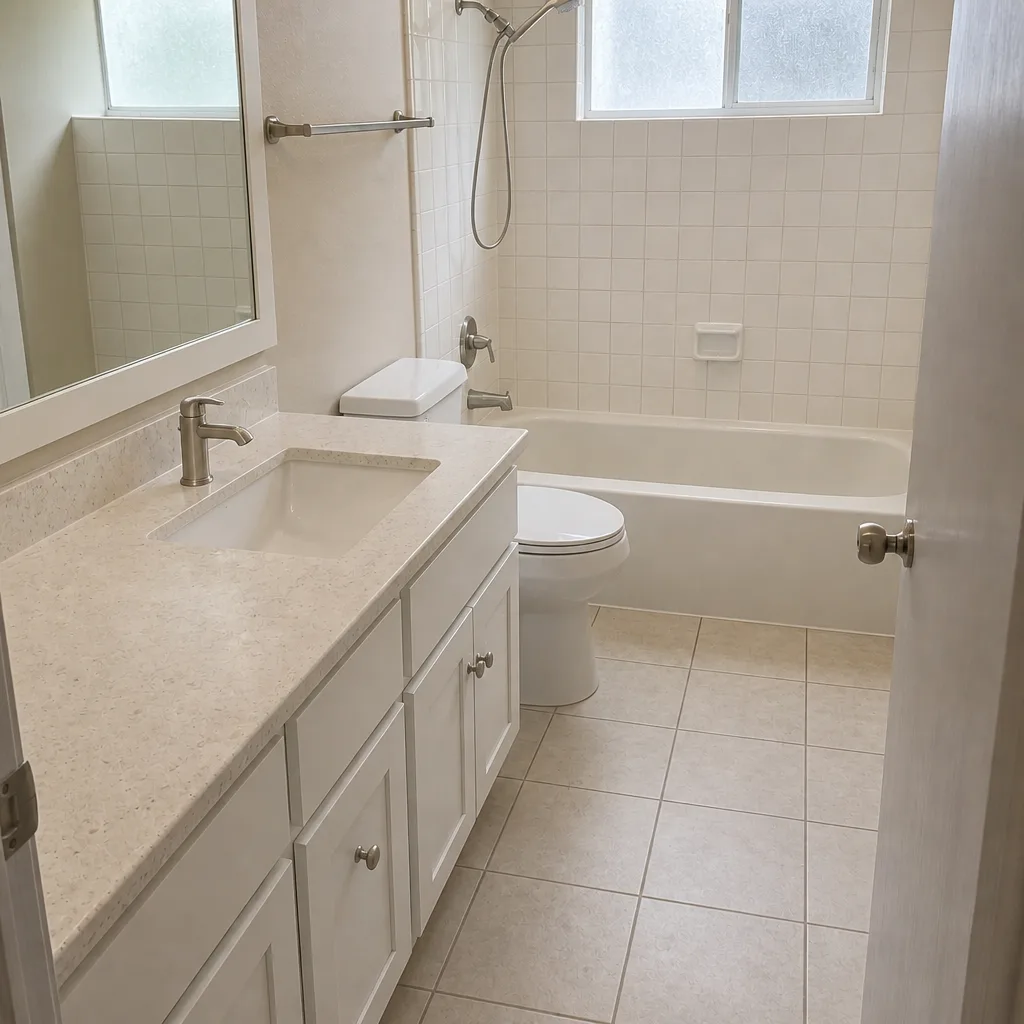 After
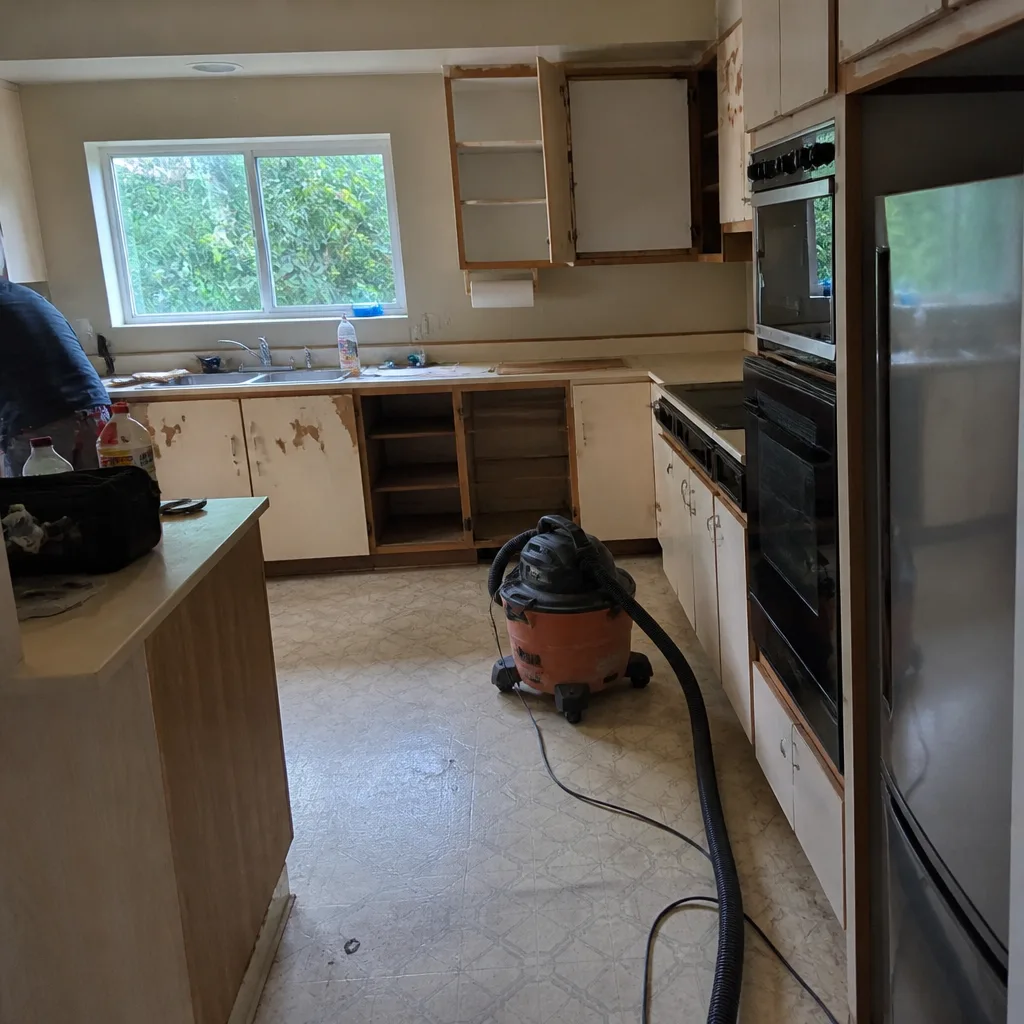 Before
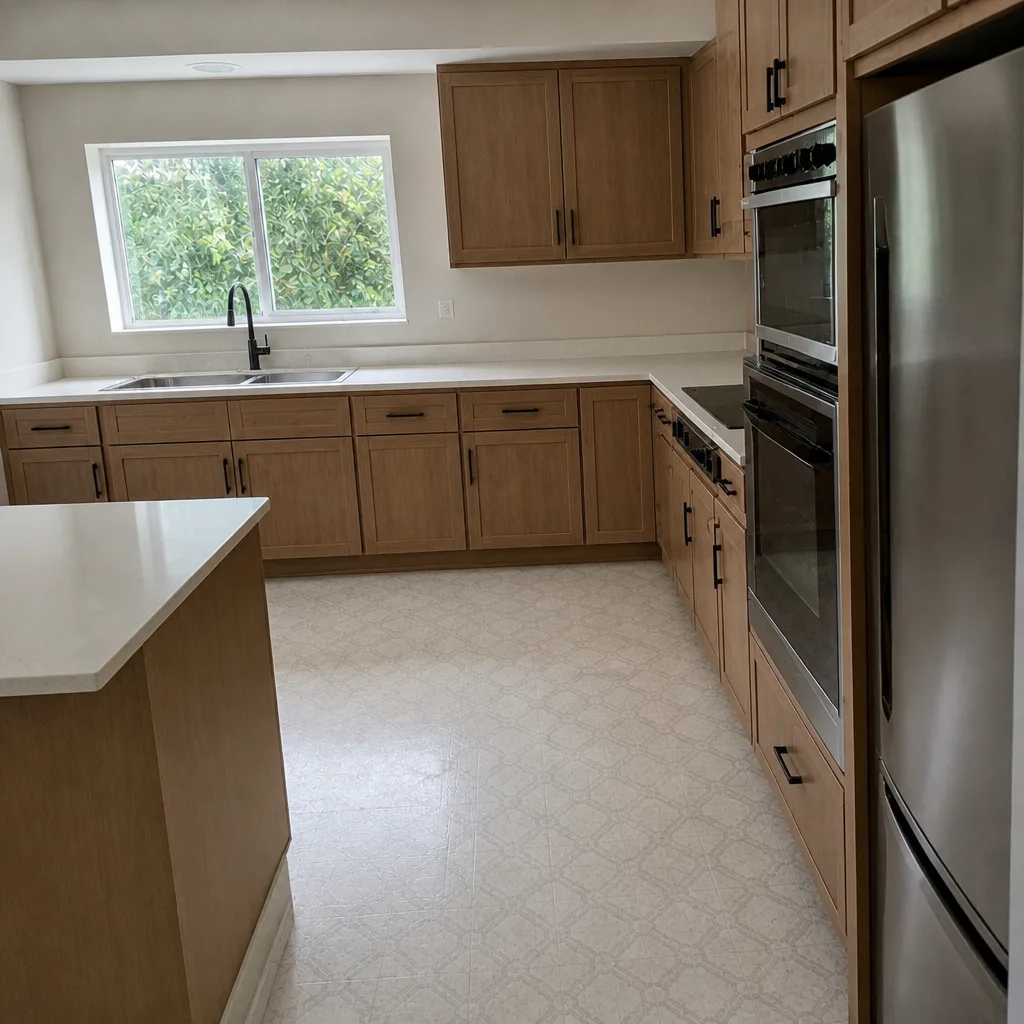 After
When to Call a Professional
Call a licensed professional the moment your project touches electrical panels or wiring, gas lines, plumbing beyond a fixture swap, structural framing, waterproofing, roofing, or building-envelope work. Also call when the work needs a permit, when you plan to sell within the next few years, when a manufacturer warranty depends on licensed installation, or when the project has already revealed something you didn’t plan for. Surprises are where experienced hands earn their keep. Bellevue Remodeling Pros offers free estimates in Bellevue. Call (425) 675-0145. We answer 24/7. Fast dispatch from 7am to 7pm, Sunday through Friday. Your estimate is written line-item, the price is set per job by that estimate, and there are no change orders once we start.
Frequently Asked Questions

Yes, for anything structural, electrical, plumbing or waterproofing-related, and for additions, decks and most interior changes that open walls. Cosmetic work like painting, hardware and landscaping doesn’t require one. Washington’s owner-builder pathway lets a homeowner permit their own residence, but it doesn’t exempt the work from inspections or code. Call (425) 675-0145 for a free estimate, and we can walk you through whether your project needs a permit.
Electrical work that requires a permit should be done by a licensed electrical contractor. Panel work and new circuits are the highest-consequence items on any home project, and an untrained mistake can be fatal. Don’t open a live panel. Call (425) 675-0145 for a free estimate from a vetted local pro.
It can, especially when the work required a permit and the record shows an owner-builder permit rather than a licensed contractor’s. Appraisers count permitted square footage, inspectors flag unpermitted work, and some lenders ask for a licensed contractor affidavit that owner-built projects can’t produce. Cosmetic work generally doesn’t hurt resale. Call (425) 675-0145 for a free estimate before you commit.
Often, yes. Many manufacturers’ warranties on products like premium windows and tile and waterproofing systems require licensed installer documentation to stay valid. The product works either way, but the coverage can be gone. Call (425) 675-0145 for a free estimate, and we’ll tell you which products depend on documented installation.
Interior painting, landscaping, cabinet hardware swaps, and cosmetic tile replacement on sound substrate. These are reversible, don’t require a permit, and mistakes are correctable. The moment a project touches a needed permit, a wet area, or a structural change, move it to the professional column. Call (425) 675-0145 for a free estimate on the parts you’re not comfortable with.
Standard homeowner policies generally limit or exclude coverage for damage arising from the insured’s own work, and they may respond very differently to an uninsured helper’s injury than to a licensed subcontractor’s employee. A fire traced to unpermitted wiring can put a claim in question. Ask your insurer before you start, and call (425) 675-0145 for a free estimate if the answer makes you want a professional.
The Bottom Line
The DIY versus pro decision in Bellevue isn’t a test of your skill. It’s a question of permit exposure, resale documentation and warranty terms, and those three things decide the outcome more often than your confidence does. Do the cosmetic, reversible, no-permit work yourself. Move anything structural, electrical, plumbing, waterproofing or building-envelope to a licensed professional, especially when you plan to sell in the next few years. Shrink the professional scope to fit your budget instead of shifting risk onto yourself. And when you’re ready for an informed process on a serious remodel, Bellevue Remodeling Pros offers free estimates in Bellevue with written line-item pricing and a single-company scope from demolition to final coat.
Call (425) 675-0145 for a free estimate. We answer 24/7. Fast dispatch from 7am to 7pm, Sunday through Friday.
Written by the team at Bellevue Remodeling Pros.