Last updated November 25, 2026







Free written scope consultation - allowances, timeline, and change-order rules on paper before a single trade is scheduled
Home Remodeling Troubleshooting in Bellevue: Common Problems and How to Fix Them
If your remodeled bathroom started showing mold within 18 months, the problem almost certainly wasn’t the contractor’s caulk gun. It was a ventilation spec that worked fine in drier climates but fails quietly in Bellevue’s humidity. That distinction matters more than most homeowners realize, because the fix for a bad spec is nothing like the fix for a bad install. This guide names the failure patterns we see most often in Bellevue homes, shows you how to tell a workmanship problem from a product problem from a spec problem, and explains what to do before a small symptom turns into a five-figure correction.
Quick Answer
Most remodeling problems in Bellevue trace back to one of four causes: inadequate moisture management in a wet climate, unpermitted work left by a previous owner, a material specified for the wrong environment, or a genuine workmanship failure. Diagnosing which one you’re facing determines whether you need a warranty claim, a labor correction, or a design change. The single most common upstream cause is moisture, and it shows up as mold, grout failure, cabinet warping, and window sweating, often all at once.
Styles & brands we work with
- Kitchen remodeling
- Bathroom remodeling
- Home additions & ADU
- Roofing
- Windows & doors
- Driveway & pavers
- Fence
Table of Contents
- The Moisture Trap: Why Bellevue Remodels Fail Behind the Walls
- Three Symptoms, One Cause: Grout, Cabinets, and Windows
- How to Tell Workmanship Failure from Product or Spec Failure
- The Permit Trap: Unpermitted Work and Cascade Failures
- Material Selection Decisions That Look Fine on Paper
- Materials Warranty vs. Labor Correction: How to Document the Difference
- Ventilation and Humidity: Getting the Spec Right
- Preventing Repeat Problems on Your Next Remodel
The Moisture Trap: Why Bellevue Remodels Fail Behind the Walls
Bellevue sits in a climate with long wet seasons and cool temperatures, and that combination changes how a wall needs to breathe. A vapor barrier detail that performs well in a dry, hot climate can trap moisture inside a wall assembly here. When warm, moist interior air meets a cold surface it can’t escape from, it condenses. That condensation sits against framing, insulation, and drywall paper, and it does so out of sight.
The housing stock makes this worse. A large share of Bellevue homes were built between the 1970s and 1990s, when wall assemblies, window styles, and bathroom exhaust practices were designed around assumptions that don’t always hold in a wetter climate. A remodel that closes up an old wall without rethinking the moisture path can seal a problem in place.
What to look for:
- Condensation on interior window glass in rooms that were recently remodeled, especially bathrooms and kitchens.
- Musty smells that return after cleaning, particularly in rooms with an exterior wall.
- Soft drywall or bubbling paint near tubs, showers, and sinks.
- Grout that darkens and stays dark even after a deep clean.
The remedy is rarely a surface patch. A proper fix means opening the assembly, verifying the vapor barrier and waterproofing are correct for this climate, and confirming exhaust actually moves air outside rather than into an attic. If you’re planning a bathroom remodeling project, the moisture spec belongs in the plan from day one, not as an afterthought once tile is set.
Three Symptoms, One Cause: Grout, Cabinets, and Windows
Homeowners often describe these as three separate problems and call three different trades. In our experience they’re usually one problem with three faces: excess moisture that isn’t being managed.
Tile Grout Failure
Cracked or crumbling grout in a shower or backsplash can mean the grout mix was wrong, but just as often it means the substrate moved or stayed wet. Cement board that wasn’t properly waterproofed will wick moisture, and grout is the first thing to show the strain. This is where the detail work matters. We use Schluter systems to protect tile edges and waterproof the substrate, because that’s the layer most remodelers skip and it’s the layer that decides whether grout survives a decade.
Cabinet Warping
Cabinet doors that swell, stick, or bow are reacting to humidity swings. Semi-custom lines like KraftMaid and Wellborn are built for decades of use, but even good cabinetry needs a stable environment. If a kitchen or bath cabinet is warping, the question isn’t the cabinet brand, it’s what’s happening to the air around it.
Window Sweating
Interior condensation on windows is the visible edge of an invisible problem. It tells you the interior humidity is high relative to the surface temperature. In a Bellevue home this often points to bathroom or kitchen exhaust that’s undersized or venting into the wrong place.
When you see all three together, don’t shop for three fixes. Diagnose the moisture first. A kitchen remodeling project that addresses ventilation, substrate waterproofing, and finishes together solves all three symptoms at the source.
How to Tell Workmanship Failure from Product or Spec Failure
The remedy depends on the classification, and getting it wrong wastes money. Here’s how we sort it out.
Workmanship Failure
The product was right and the plan was right, but the install didn’t follow either. Signs include lippage in tile that shouldn’t be there, caulk lines that fail within a season, doors hung out of square, or waterproofing that was skipped entirely.
Product Failure
The material itself failed before its expected life. This is where warranties live. A fixture that fails, a surface that chips or stains beyond what its spec should allow, or a finish that peels prematurely are product questions. Names matter here: whether a Kohler or Moen fixture failed, or which of Cambria, Silestone, or Caesarstone quartz was used, determines who owns the claim.
Spec Failure
Everything was installed correctly and the product is fine, but the wrong material was chosen for the environment. This is the sneakiest category because it can look like workmanship and get argued as a product issue. A standard vapor barrier in a wet Bellevue wall, or a wood-look floor in a room that stays humid, are spec failures.
Use this checklist to classify before you call anyone:
- Identify exactly what’s failing and when it started.
- Check whether the failure is isolated or broad. One tile vs. a whole wall tells you a lot.
- Review the original spec or plan if you have it. Was the product right for the room?
- Note whether the product itself shows defect or whether it’s installed incorrectly.
- Document with photos and dates before touching anything.
The Permit Trap: Unpermitted Work and Cascade Failures
Bellevue has a lot of homes that were updated by previous owners without permits. That history sits quietly until new work touches an adjacent system, and then it surfaces as a cascade failure. A permitted kitchen remodel discovers unpermitted electrical. A bathroom tile job discovers plumbing that was never inspected.
Most cities, Bellevue included, require permits for work that touches structural, electrical, plumbing, or mechanical systems, so always confirm with the city’s building department what your project needs. When unpermitted work from a previous owner is discovered, the fix usually means bringing that system up to current code before the new work can close.
What to do when it happens to you:
- Stop work in the affected area and get a clear assessment of what’s unpermitted.
- Find out what the city requires to legalize or correct it.
- Budget for the correction alongside your original scope, not after it.
- Get the correction permitted and inspected so the record is clean for the future.
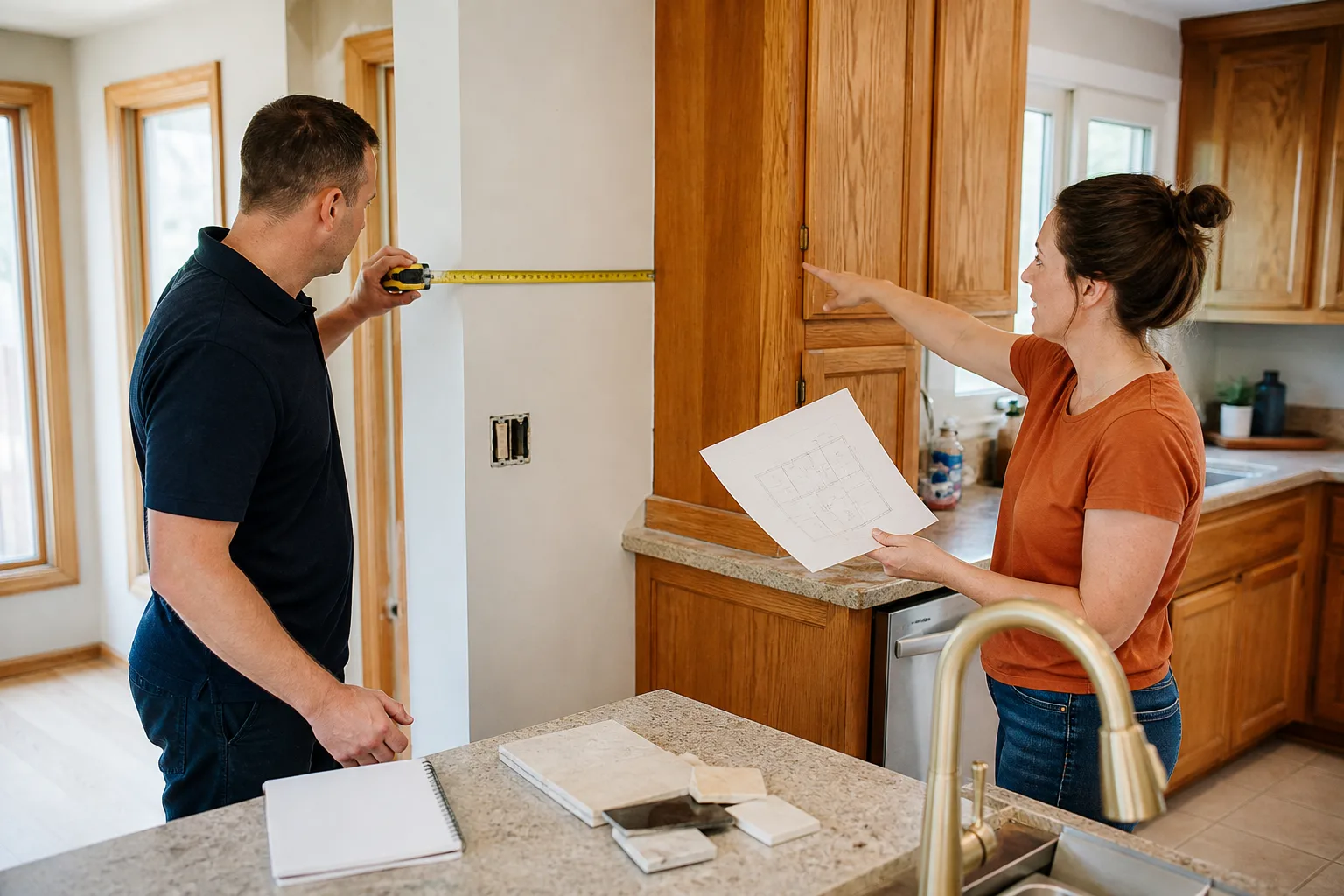
A good home remodeling plan builds a contingency for this into the estimate, because in Bellevue it’s a common discovery rather than a rare one.
Material Selection Decisions That Look Fine on Paper
Some of the most expensive remodeling problems are decided at the showroom, before anything is installed. A material can look perfect on a sample board and still be the wrong call for the room it’s going into.
What we watch for when guiding a selection:
- Quartz and stone in wet rooms. We work with Cambria, Silestone, and Caesarstone, and the right choice depends on the surface’s porosity, scratch resistance, and warranty terms, not just the color. Some surfaces handle a busy family kitchen better than others, and the spec should follow the lifestyle.
- Cabinetry for humid rooms. KraftMaid and Wellborn both make semi-custom lines built for long use, but the door style, finish, and panel construction should match the room’s humidity profile.
- Fixtures and finishes. Coverage across Kohler, Toto, Grohe, Moen, Delta, American Standard, and Blanco means you can choose the brand that fits your priorities. Whether you prefer Kohler’s design-forward aesthetic or Toto’s engineering precision, we work with both, and the spec should reflect what you actually want, not what’s easiest to source.
- Flooring in high-traffic wet zones. The flooring choice should account for moisture, cleaning, and how the room gets used.
We help you select, source, and install, so the material decision and the installation spec are made by the same hand. That’s how a surface choice that looks fine on paper still performs in your Bellevue home.
Materials Warranty vs. Labor Correction: How to Document the Difference
When something fails, the first question is who pays. That depends on classification, and classification depends on documentation.
When to Demand a Materials Warranty Claim
Pursue a warranty claim when the product itself is defective and was installed to spec. Examples are a fixture that fails early, a quartz surface that stains beyond its stated performance, or a finish that peels prematurely. The manufacturer’s warranty is the mechanism.
When It’s a Labor Correction
Pursue a correction when the install didn’t follow the spec: missing waterproofing, out-of-square framing, improper fastening, or a vapor barrier installed wrong for this climate. No materials warranty covers this, and the remedy is rework.
How to document either case clearly:
- Photograph the failure in place before any repair, with something for scale.
- Record dates: when it was installed, when it failed, when you noticed.
- Keep your original spec, product names, and any receipts together.
- Write down whether the product is defective or the install is wrong, with evidence.
- Get the classification in writing from whoever assesses it before authorizing repair.
This is where material fluency helps. Knowing whether the failing surface was Cambria, Silestone, or Caesarstone, or which of the seven fixture brands was used, lets you raise the right claim with the right party instead of arguing in the abstract.
Ventilation and Humidity: Getting the Spec Right
The single most effective defense against remodel problems in Bellevue is a ventilation spec that matches the climate. Bathroom and kitchen exhaust should move moist air outside, and the duct run should be short and direct. If exhaust leaks into an attic or soffit, you’ve moved the problem, not solved it.
What a good spec includes:
- Exhaust sized to the room and vented to the exterior.
- Duct runs that are as short and straight as the layout allows.
- Moisture-resistant substrate behind tile, waterproofed with a system like Schluter rather than only coated.
- Vapor management appropriate for a wet climate, not copied from a drier region.
In our experience, homes in neighborhoods like Bridle Trails and Crossroads, where many properties date to the 1970s and 1980s, benefit most from a ventilation re-spec during any bathroom remodel. It’s a small line item relative to the rehab it prevents. When Bellevue Remodeling Pros plans a bathroom or kitchen, the ventilation spec is a first-class part of the design, not a checkbox at the end.
Preventing Repeat Problems on Your Next Remodel
The best troubleshooting is done before demolition. A few planning habits prevent most of what this guide describes.
- Spec for the climate, not the sample board. Choose vapor barriers, substrates, and exhaust for Bellevue’s wet seasons from the start.
- Verify the permit history before you touch adjacent systems. A pre-construction check of previous permits prevents surprise cascade failures.
- Classify materials by room. Put the right quartz, cabinetry, and flooring in the right environment, and let the surface properties drive the choice.
- Document as you go. Photos and product names at every stage make future warranty and labor claims straightforward.
- Use one company for the full scope. Single-company delivery across remodeling, flooring, and painting keeps one point of contact from demolition to final coat and closes the accountability gaps that cause a moisture failure to get missed between trades.
For homeowners planning exterior work alongside interior projects, our familiarity with James Hardie siding and premium windows, plus prefab and ADU brands like Abodu and Dvele, means the envelope and the interior are planned together. You can read more about the breadth of our Bellevue Remodeling Pros services to see how the scopes connect.
Common Mistakes to Avoid
- Treating mold, grout, and window sweating as separate problems. They usually share one cause. Diagnose the moisture first and you’ll spend once, not three times.
- Copying a spec from a drier climate. Vapor barriers and exhaust designed elsewhere can trap moisture in a Bellevue wall assembly. Spec for the wet season your house actually gets.
- Skipping the permit check. Assuming previous work was permitted is one of the most expensive assumptions in a Bellevue remodel. Verify before you build on top of it.
- Choosing surfaces without matching the room. The right Cambria, Silestone, or Caesarstone for a busy kitchen may not be right for a humid bath. Let the surface properties lead.
- Repairing the symptom instead of the classification. Recaulking a workmanship or spec failure without fixing the cause just restarts the clock.
- Not documenting the failure. Without photos and product names, a legitimate warranty claim gets argued as a labor issue and stalls.
- Venting exhaust into the attic. It looks like it works because the room dries. The moisture has just moved where you can’t see it.
See the difference
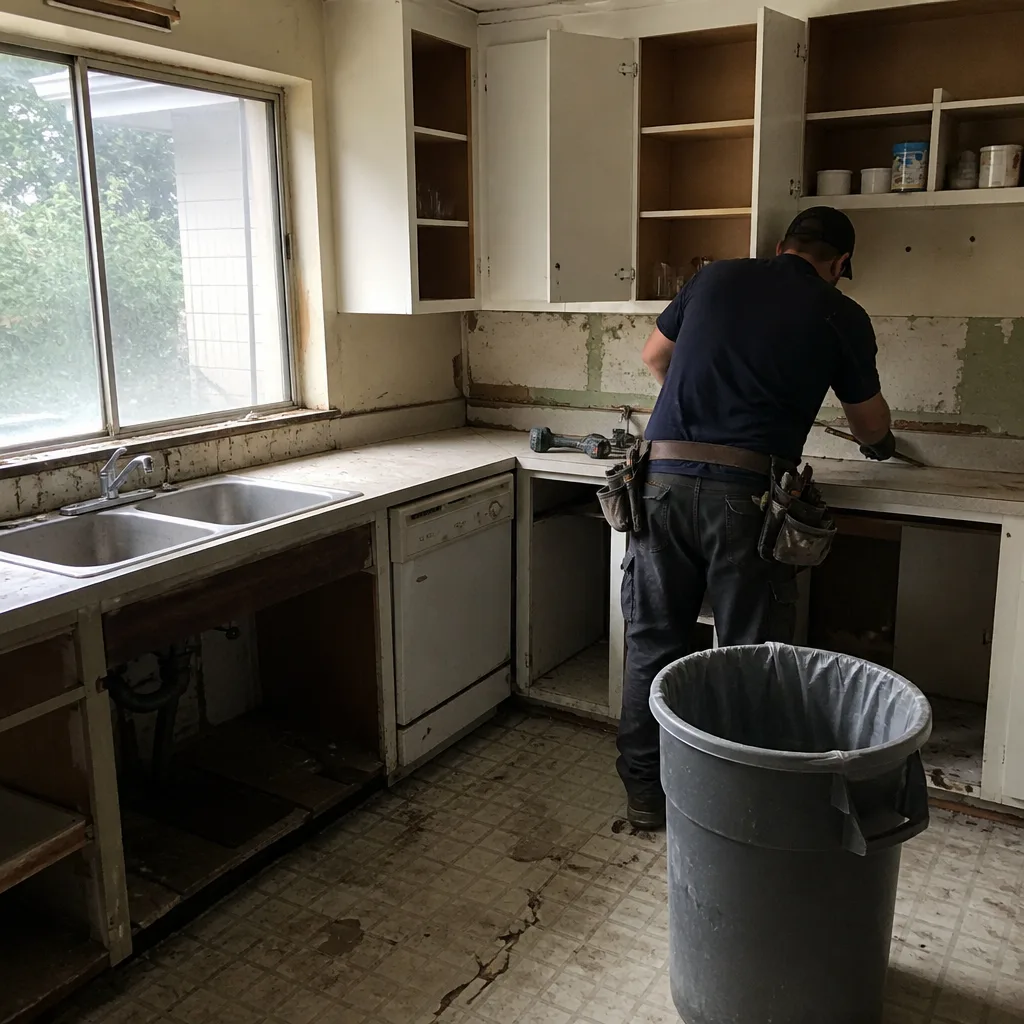 Before
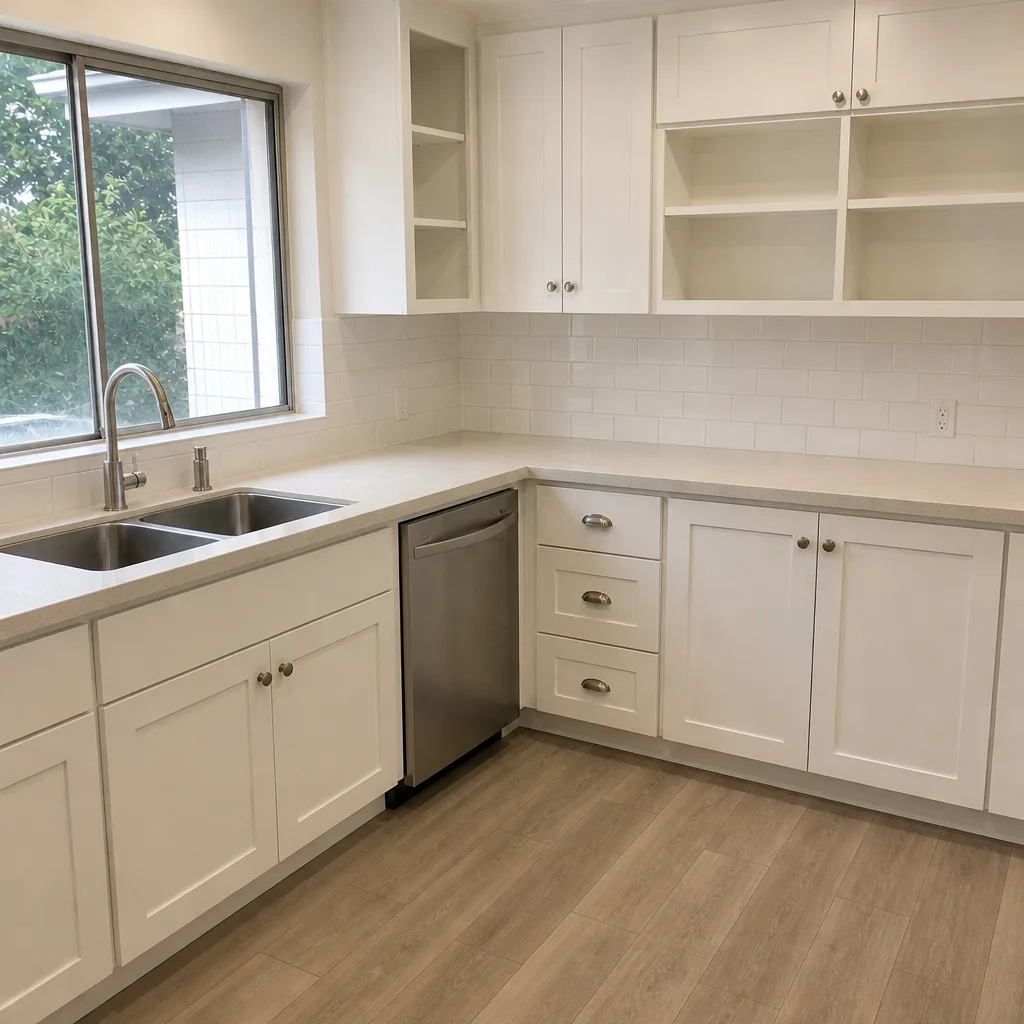 After
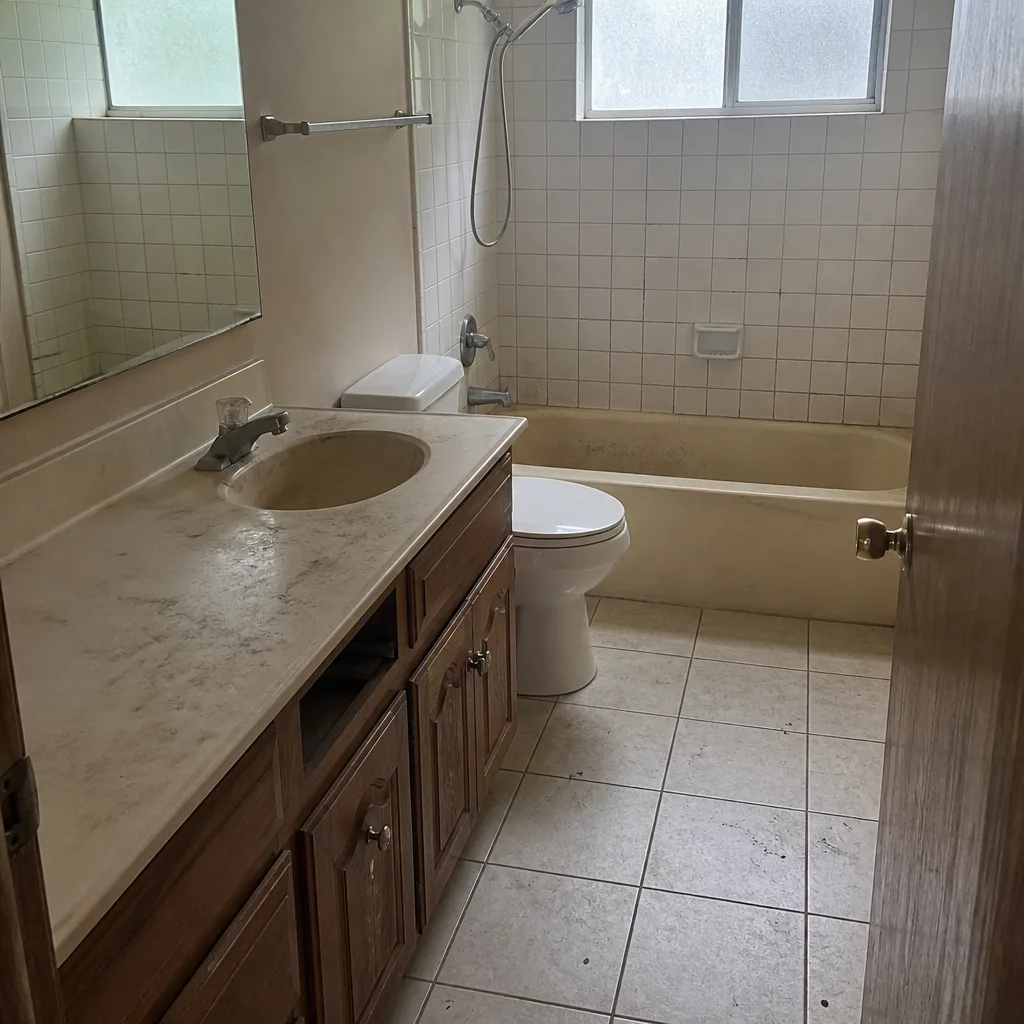 Before
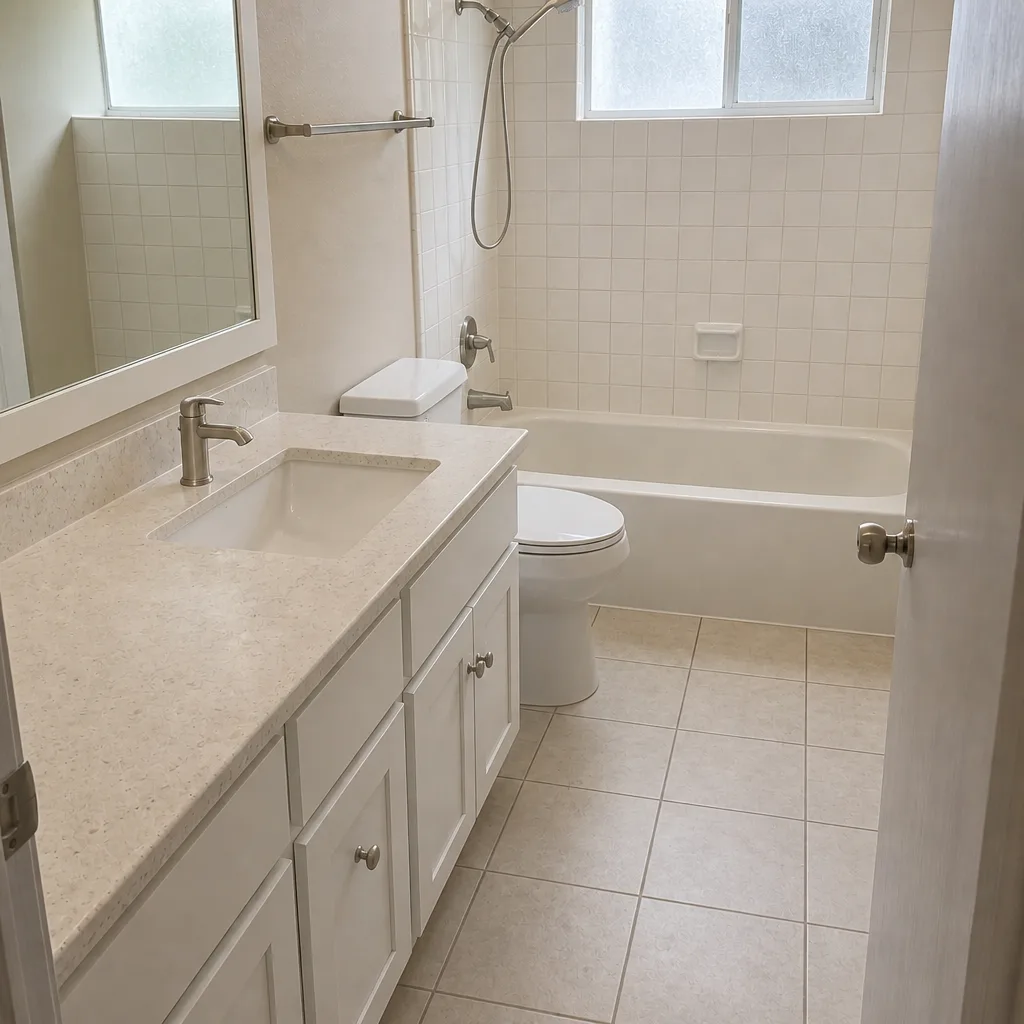 After
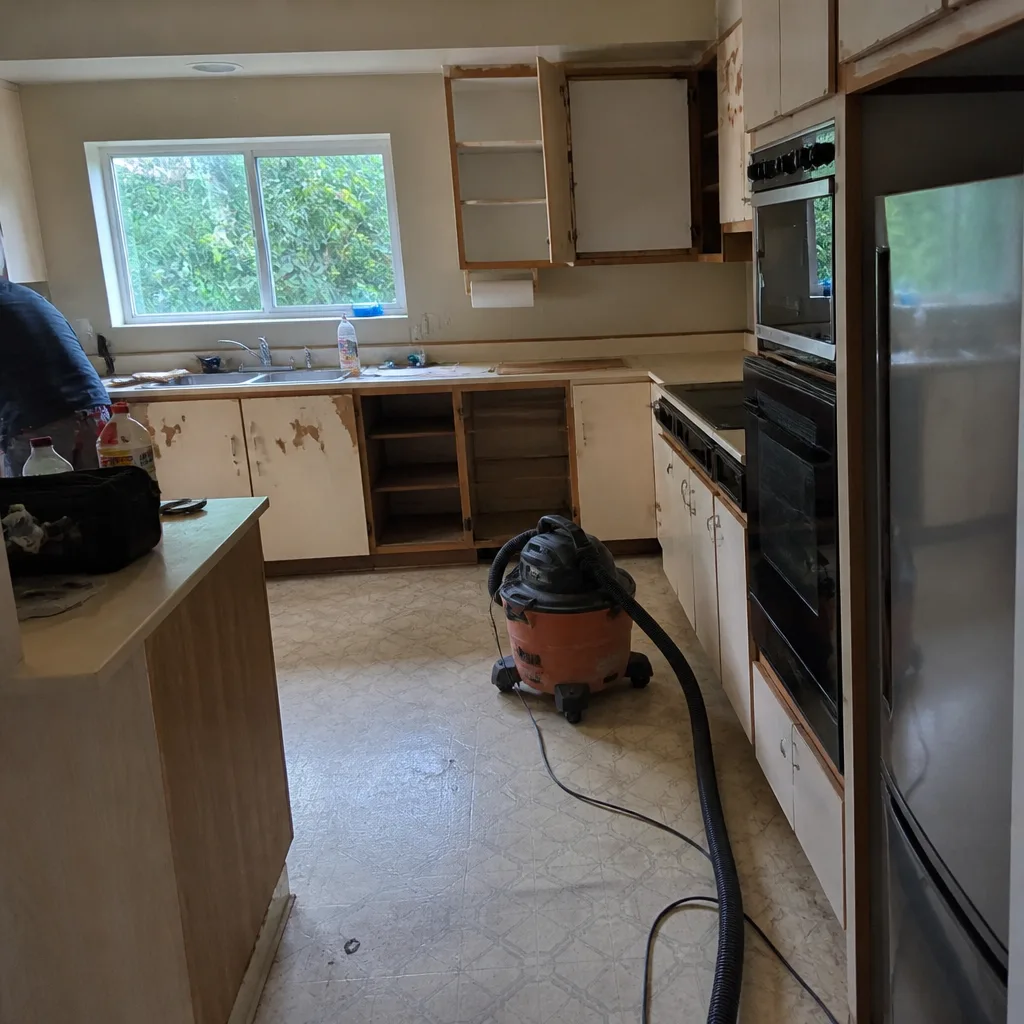 Before
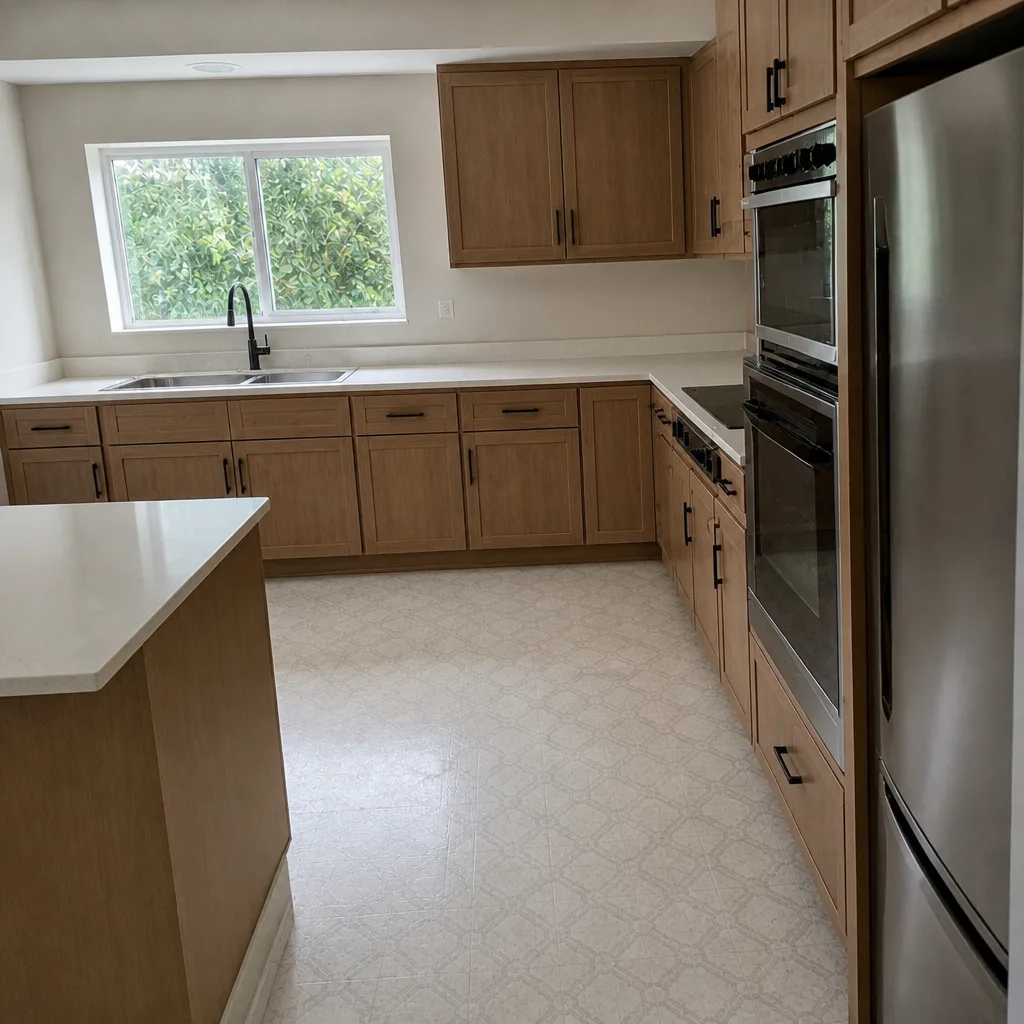 After
When to Call a Professional
Call a professional when a symptom keeps returning after a reasonable repair, when mold appears behind or around a recent remodel, when a wall, floor, or fixture shows water damage, or when you discover unpermitted work in a system your project touches. Also call when a warranty claim and a labor correction are being argued against each other, because a clear assessment of the cause protects your position. Moisture diagnosis in particular is worth doing right, since the repair behind a wall is far costlier than the assessment in front of it. Bellevue Remodeling Pros offers free estimates in Bellevue. Our technicians have up to 14 years of experience, we write a line-item estimate so you can see what’s included, and the local pro is licensed and insured as their state requires. Call (425) 675-0145. We answer 24/7. Fast dispatch from 7am to 7pm, Sunday through Friday.
Frequently Asked Questions

Look at isolation and pattern. A single cracked tile or one failed caulk line points to workmanship, while moisture problems spread across grout lines, cabinet doors, and window glass at once. If symptoms recur in multiple materials in the same room, start with a moisture diagnosis before you call a trade.
Bellevue’s wet climate means moisture has to leave the room reliably, and if exhaust is undersized or vented into the attic, condensation builds behind walls where you can’t see it. The fix is a ventilation and waterproofing re-spec, not a stronger bathroom cleaner. We plan bathroom exhaust and substrate waterproofing as part of the design. Call (425) 675-0145 for a free estimate.
It depends on the cause. If the product was installed to spec and the material failed early, it’s a materials warranty claim against the manufacturer. If the install didn’t follow the spec, such as missing waterproofing or out-of-square work, it’s a labor correction. Document photos, dates, and product names before you authorize any fix, and get the classification in writing.
Most cities require permits for work that touches electrical, plumbing, mechanical, or structural systems, and Bellevue follows that general pattern. Always confirm with Bellevue’s building department what your specific project needs before work begins. Verifying previous permits early prevents cascade failures when your new work touches an adjacent system.
Humidity swings, not the cabinet brand. Even respected semi-custom lines like KraftMaid and Wellborn need a stable room environment, and warping usually means the air around the cabinetry is too moist or moving in wide cycles. Address ventilation and moisture first, then assess whether any individual cabinet has a manufacturing defect. Call (425) 675-0145 to have us take a look before you replace anything.
The written estimate sets the final price for the scope it covers. The most common reason a remodel price changes is discovering unpermitted work or hidden moisture damage behind a wall, which is a change to the scope rather than a change to the price of agreed work. A written line-item quote makes the difference clear before you commit. Call (425) 675-0145 for a free estimate.
The Bottom Line
Remodeling problems in Bellevue follow patterns, and once you see the pattern you can get ahead of it. Moisture management is the upstream cause behind most grout, cabinet, and window failures, so diagnose that first. Classify every problem as workmanship, product, or spec before you spend a dollar, because the remedy is different for each. Verify permit history before you build on top of someone else’s work. Choose materials for the room they’ll live in, not just the sample board. And document everything, because a clear record is what turns a legitimate claim into a solved problem. Call (425) 675-0145 for a free estimate. We answer 24/7. Fast dispatch from 7am to 7pm, Sunday through Friday.
Written by the team at Bellevue Remodeling Pros.