Last updated November 25, 2026






Free written scope consultation - allowances, timeline, and change-order rules on paper before a single trade is scheduled
Construction Emergency Preparedness Guide for Bellevue Homes
Most homeowners treat emergency preparedness as a kit in the garage: water, batteries, a flashlight. But the part of your home that decides whether a disaster turns into a months-long ordeal is the construction itself, and the paperwork behind it. Here’s what many Bellevue homeowners miss: the difference between a claim that gets paid quickly and one that stalls often comes down to documentation, not damage. This guide covers the hazards Bellevue homes actually face, how your remodel affects your vulnerability, and how to have a contractor relationship in place before you need one.
Quick Answer
Construction emergency preparedness in Bellevue means knowing which parts of your home are most exposed to seismic shaking, hillside movement, and storm-driven power loss, then keeping permits, inspection records, and material specs organized where your insurer can use them. Homeowners who can document permitted work and material specifications move through insurance claims and assistance applications faster than those who can’t. The goal is to prepare before an event, not after.
Styles & brands we work with
- Kitchen remodeling
- Bathroom remodeling
- Home additions & ADU
- Roofing
- Windows & doors
- Driveway & pavers
- Fence
Table of Contents
- The Bellevue Hazards That Hit Remodeled Homes Hardest
- What Construction Documents to Keep (and Why Insurers Care)
- Did Your Remodel Help or Hurt Your Seismic Performance?
- Emergency Shut-Offs for Systems Upgraded in a Remodel
- How to Pre-Qualify a Remodeling Contractor Before You Need One
- What Belongs in an Emergency Services Rider
- What to Do in the First 24 Hours After Damage
- Materials and Standards That Improve Resilience
The Bellevue Hazards That Hit Remodeled Homes Hardest
Bellevue sits in a region where the ground can move, hillsides can slide, and winter storms can knock out power for days. Each of those hazards stresses a different part of a remodeled home, and the work you’ve had done can change how the house responds.
Seismic shaking on older foundations. Many mid-century homes across Bellevue were built before modern seismic bracing was standard practice. Their foundations and cripple walls may not be bolted or braced to current expectations. A remodel that added heavy finishes, tile, stone counters, or a second-story addition changes the load path, and if the foundation wasn’t addressed during that work, the house can behave differently in a shake than its original design intended.
Hillside and slope movement on West Bellevue lots. Properties on the slopes and bluffs of West Bellevue carry a different risk profile. Saturated soil after prolonged rain can shift, and additions, retaining walls, and drainage changes made during a remodel all affect how water moves across a lot. If a remodel altered grading or added impervious surfaces, drainage deserves a hard look.
Power loss and the systems a remodel touched. Outages matter more than they used to. A new heat pump, a tankless water heater with electronic controls, a smart thermostat, and a modern panel all respond to a power interruption differently than the legacy equipment they replaced. Some come back on their own; others need a reset, and a few need a technician’s attention. Knowing which is which before an outage saves a stressful call.
Winter windstorms and rain. Bellevue gets its share of wind events and heavy rain. Roof edges, gutters, and exterior siding take the brunt. James Hardie siding, when installed to that manufacturer’s specifications, is built to handle wet climates well, but it depends on proper flashing and clearances around windows and rooflines, details worth confirming before storm season.
What Construction Documents to Keep (and Why Insurers Care)
Documentation is the single most useful preparedness step a homeowner can take, and it costs nothing. When damage happens, your insurer needs to know what was there, when it was built, whether it was permitted, and what it was made of. If you can’t answer those questions, the claim slows down, and in some cases coverage gets disputed.
Keep a dedicated folder, digital and physical, with these items:
- Permits and the final inspection card. This is the most important document you’ll have. A closed permit with a passed final inspection proves the work met code at the time it was done.
- Contractor license information. The license of the professional who did the work backs up the permit trail.
- Material specifications and cut sheets. Brand and product names for counters, cabinets, fixtures, flooring, and siding. If you installed Cambria quartz in a kitchen, the spec sheet identifies what’s there and helps your insurer value it correctly.
- Before-and-after photos. Photos taken during the work, with framing, wiring, and plumbing visible, are worth more than any description.
- Warranty documents. Manufacturer warranties on materials and fixtures, filed with the receipt and model numbers.
- Appliance and system manuals. Especially for tankless water heaters, heat pumps, and any equipment with electronic controls.
Why does it matter for assistance programs? Federal assistance applications ask for proof of ownership, proof of occupancy, and evidence of what was damaged. A folder with permits and specs answers those questions in minutes rather than weeks. In our experience, the homes that recover fastest are the ones whose owners can hand a claims adjuster a complete picture of what was built and when. If you’re planning a kitchen remodeling project, start that folder the day the contract is signed, not after the dust settles.
Did Your Remodel Help or Hurt Your Seismic Performance?
Not every remodel improves how a house performs in an earthquake, and a few of them quietly make things worse. The most common example is an open-plan conversion. Removing a wall to open up a living or dining area can eliminate a shear wall, which is a braced section of wall that resists lateral movement. When a shear wall comes out without an engineered replacement, the house loses stiffness exactly where it needs it.
Here’s how to think about whether your remodel helped or hurt:
- Check what the permit covered. If the permit for the remodel included structural work, the plans will show shear panels, hold-downs, and bracing called out. If the permit was cosmetic only but a wall came out, that’s a red flag.
- Look for a structural engineer’s stamp on the plans. Open-plan conversions and additions that affect the load path usually need one.
- Confirm the foundation was addressed. Bolting the sill to the foundation and bracing cripple walls are the foundation-level upgrades that matter most in a shake. Did the remodel include them?
- Note where heavy materials were added. Stone counters, tile floors, and large windows all change how a house moves and where it fails.
- Ask a professional to review the plans. A contractor who knows the local building stock, and our technicians have up to 14 years of experience with Bellevue homes, can read the permit file and tell you whether the work improved or compromised structural performance.
If you’re in the middle of a home remodeling project and a wall is coming out, ask the question directly: was a shear wall removed, and what replaced it? Getting that answered now is far cheaper than discovering it after a shake.
Emergency Shut-Offs for Systems Upgraded in a Remodel
Modern systems are safer and more efficient, but they don’t behave like the equipment your parents knew. In a real emergency, knowing exactly where and how to shut things off is the difference between a contained problem and a larger one.
Tankless water heaters. A tankless unit has an isolation valve on the water lines and a dedicated gas shut-off. If it’s leaking or you smell gas, close both. If you don’t know where the isolation valve is, find it now and label it with a tag.
Electrical panels. A panel upgrade often means a new main breaker location. Learn which breaker controls the water heater, furnace, kitchen circuits, and any medical equipment. If the panel ever feels warm, smells like burning, or shows scorch marks, don’t touch it. Contact a licensed electrician. Working inside a panel is not a homeowner job.
Gas lines. If you smell gas, leave the house, then call your utility from outside. Never shut a gas meter valve off and back on yourself, and never attempt to relight a gas appliance after a gas event without a licensed professional. This is a genuine safety line, not a formality.
Smart home systems. A smart thermostat tied to an HVAC system, a smart water-leak sensor, and a networked door lock all respond differently after a power event. Some need a manual reset, some run on backup batteries, and some will lock you out until they reconnect. Know which of yours has a physical override, and where it is.
How to Pre-Qualify a Remodeling Contractor Before You Need One
When a storm knocks out your roof or a pipe bursts behind a wall, the last thing you want to be doing is vetting contractors from scratch. Pre-qualifying a remodeling professional now means you have a name, a number, and a working relationship when you need it. Here’s what to look for:
- State licensing. Confirm the company is licensed as the state requires, and ask for proof rather than taking a verbal assurance.
- Insurance. Ask whether the company carries general liability and workers’ compensation. A legitimate remodeler will provide a certificate on request.
- Familiarity with Bellevue’s housing stock. A company that knows mid-century foundations, West Bellevue slopes, and Bellevue permitting is more useful than one that doesn’t.
- Brand depth. A contractor with real product options can source replacement materials that match what’s already in your home. That matters more after a loss than before. If you have KraftMaid or Wellborn cabinetry, or Kohler or Toto fixtures, a remodeler with those relationships can match them. Even exterior fencing after storm damage benefits from access to a brand like Barrette or Ameristar, rather than whatever a single supplier happens to stock.
- Willingness to put terms in writing. A written estimate with a line-item scope tells you exactly what you’re getting. Get a quote before work begins, not after.
- A real conversation, before any emergency. Call and ask how they usually handle post-damage work. The answer tells you a lot.
Doing this now is low cost and high value. Our team at Bellevue Remodeling Pros is happy to have that conversation with Bellevue homeowners long before anything happens, so you already know who to call.
What Belongs in an Emergency Services Rider
A standard remodeling contract covers the planned job. An emergency services rider is a separate document, signed in advance, that lays out the terms for post-damage response: how the company will deploy, how pricing works when damage is urgent, and what documentation the company will produce for your insurer.
A useful rider includes:
- Scope of emergency work. What does “emergency response” actually cover? Board-up, temporary waterproofing, shoring, utility shut-off, temporary heat? Be specific.
- Pricing method. The price for post-damage repair is set per job by a written estimate, just like a planned remodel. The rider should say so plainly and avoid any ambiguous hourly language.
- Documentation commitment. A clear promise to produce permits, photos, material specs, and receipts, so your claim can be assembled without delay.
- Insurance cooperation. Language stating that the company can work with your insurer, which is different from billing your insurance directly. Ask exactly what that means in practice.
- Contact details. The number to call, and the hours the line is answered.
- Any exclusions. What the company won’t do, so there’s no confusion in the middle of a crisis.
Read the rider carefully. Ask about anything you don’t understand, and don’t sign one that leaves pricing, scope, or documentation vague. If you’d like help reviewing one, our team at bathroom remodeling and beyond can talk through what we typically see.
What to Do in the First 24 Hours After Damage
The first day after an event sets the tone for everything that follows. Staying calm and following a sequence helps:
- Make sure everyone is safe. If there’s structural damage, get out and don’t re-enter until a professional says it’s safe.
- Shut off utilities. Gas, water, and power if needed, using what you learned from the shut-off section above.
- Document everything. Photos and video before you touch anything, wide shots then close-ups. Your insurer will want both.
- Prevent further damage. If it’s safe, move furniture out of water, cover what you can, and tarp a damaged roof. These are temporary measures, not repairs.
- Call your insurer. Start the claim, and ask what documentation they’ll need.
- Call a pre-qualified contractor. Now is when the relationship you built pays off.
Bellevue’s permitting authority handles post-damage repairs differently from new construction, and a contractor who knows that process will streamline the steps. Our technicians have up to 14 years of experience with local repair work, and we’re glad to help Bellevue homeowners work through it.
Materials and Standards That Improve Resilience
If you’re planning a remodel now, choosing materials with resilience in mind is a form of preparedness that pays off later. A few points worth knowing:
Countertops. Cambria, Silestone, and Caesarstone quartzes are non-porous, scratch-resistant, and engineered to handle the everyday abuse of a busy kitchen. They hold up well in water damage scenarios far better than porous natural stone, and the specs are easy to document for insurance purposes.
Cabinetry. KraftMaid and Wellborn are semi-custom lines built to durable specifications. Their construction quality matters after a water event because frames and boxes resist swelling better than builder-grade units.
Fixtures. Kohler, Toto, Grohe, Moen, Delta, American Standard, and Blanco all publish spec sheets that document your fixtures. Keeping those on file simplifies replacement after damage.
Siding. James Hardie fiber cement siding, installed to manufacturer spec, handles Bellevue’s wet climate well. The install details (flashing, clearance, fasteners) matter as much as the product, so use a contractor familiar with the brand’s requirements.
Windows and door systems. Modern windows with proper installation add both energy performance and structural resilience. Prefab structures from Abodu and Dvele are engineered to current standards, and their documentation is often stronger than site-built work.
Common Mistakes to Avoid
- Skipping the permit to save time. Unpermitted work complicates claims and can invalidate coverage. Pull the permit, every time. The inspection card is worth more than the weeks you’d save.
- Throwing away the plans after the job. Plans and spec sheets are the evidence your insurer needs. Scan them and keep them somewhere you’ll find them years later.
- Removing a wall without engineering. An open-plan conversion without structural review can compromise how a Bellevue house performs in a shake. Get the engineering done.
- Ignoring drainage after a hillside remodel. An addition or a new paver patio changes how water moves on a West Bellevue lot. If it doesn’t drain well, address it before rainy season.
- Assuming new equipment is self-explanatory. A tankless water heater or a modern panel needs its shut-offs labeled. Do it now, not during an emergency.
- Choosing a contractor after a disaster strikes. You’ll be under pressure and working fast. Pre-qualify someone while you have time to think.
- Signing an emergency rider you haven’t read. Vague pricing and scope language can cost you later. Read it, ask questions, and get it in writing.
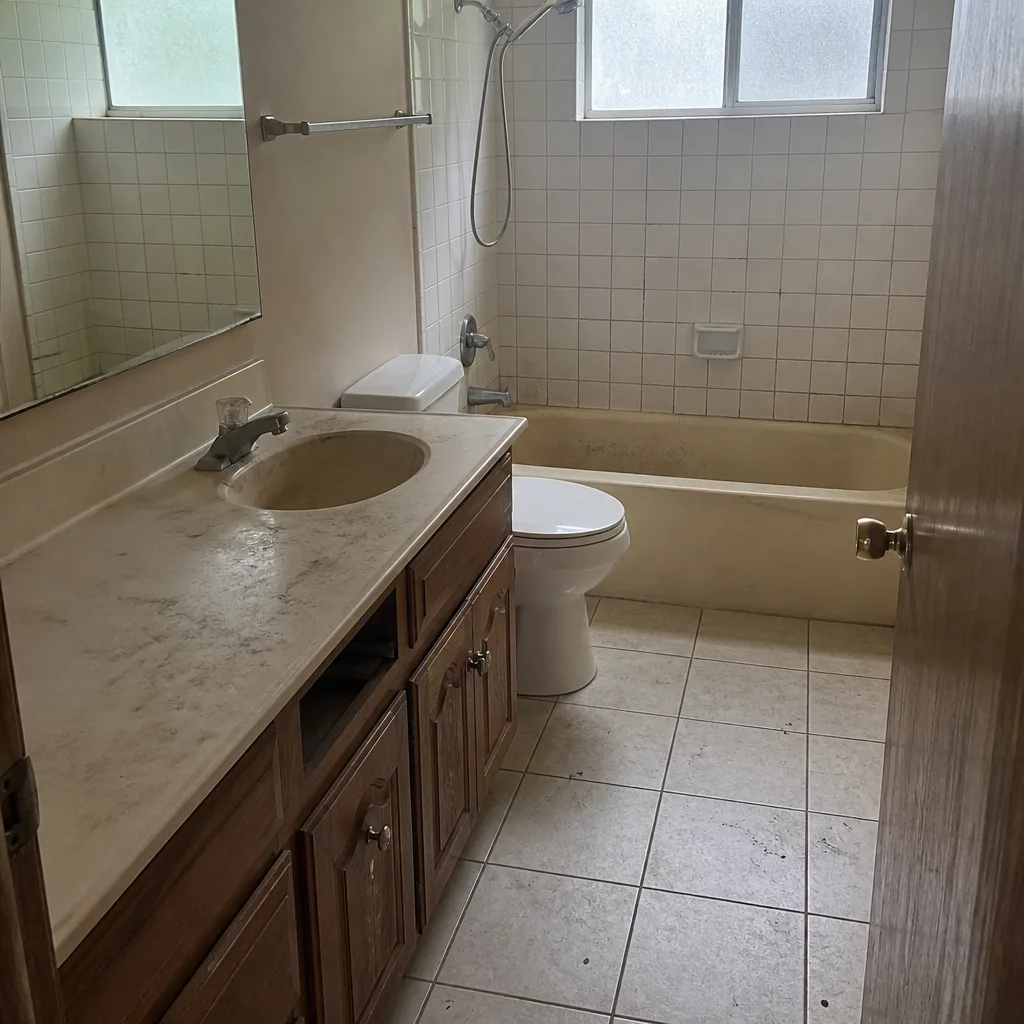
See the difference
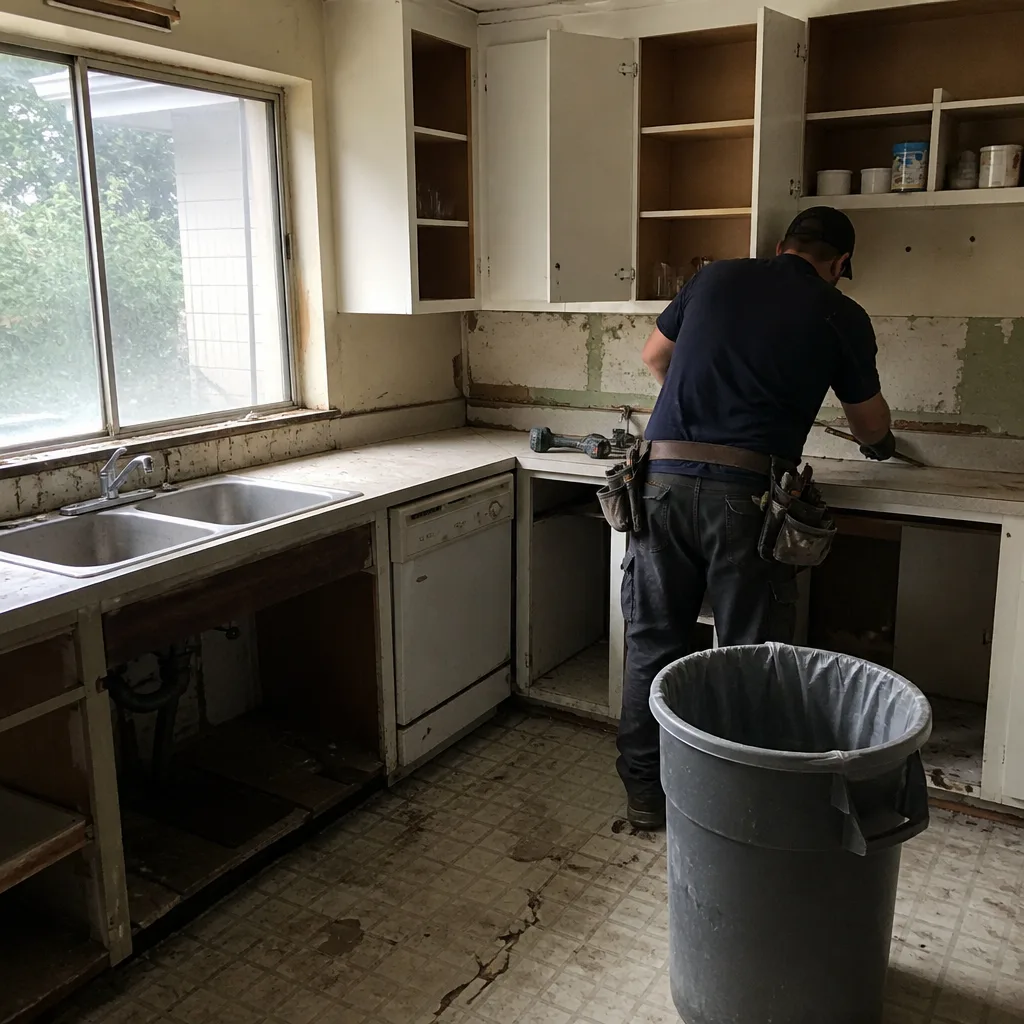 Before
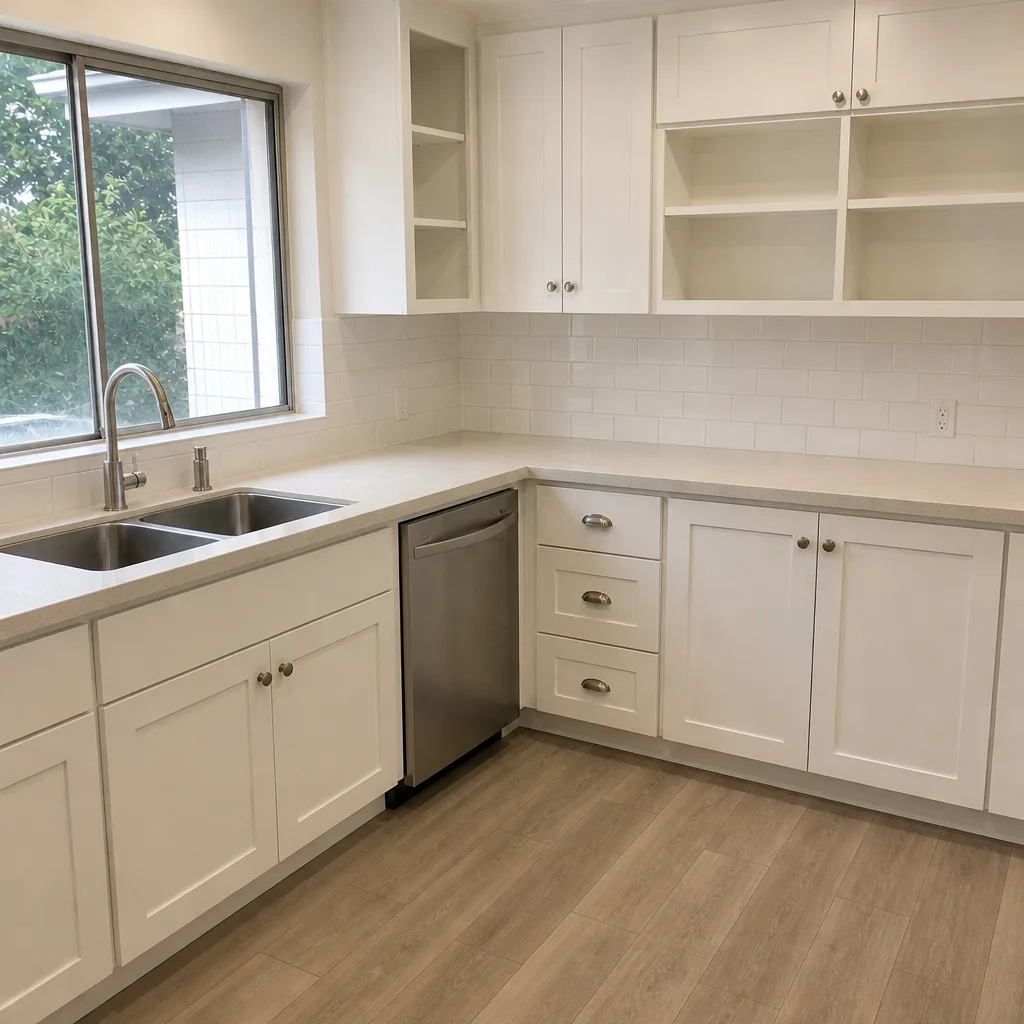 After
 Before
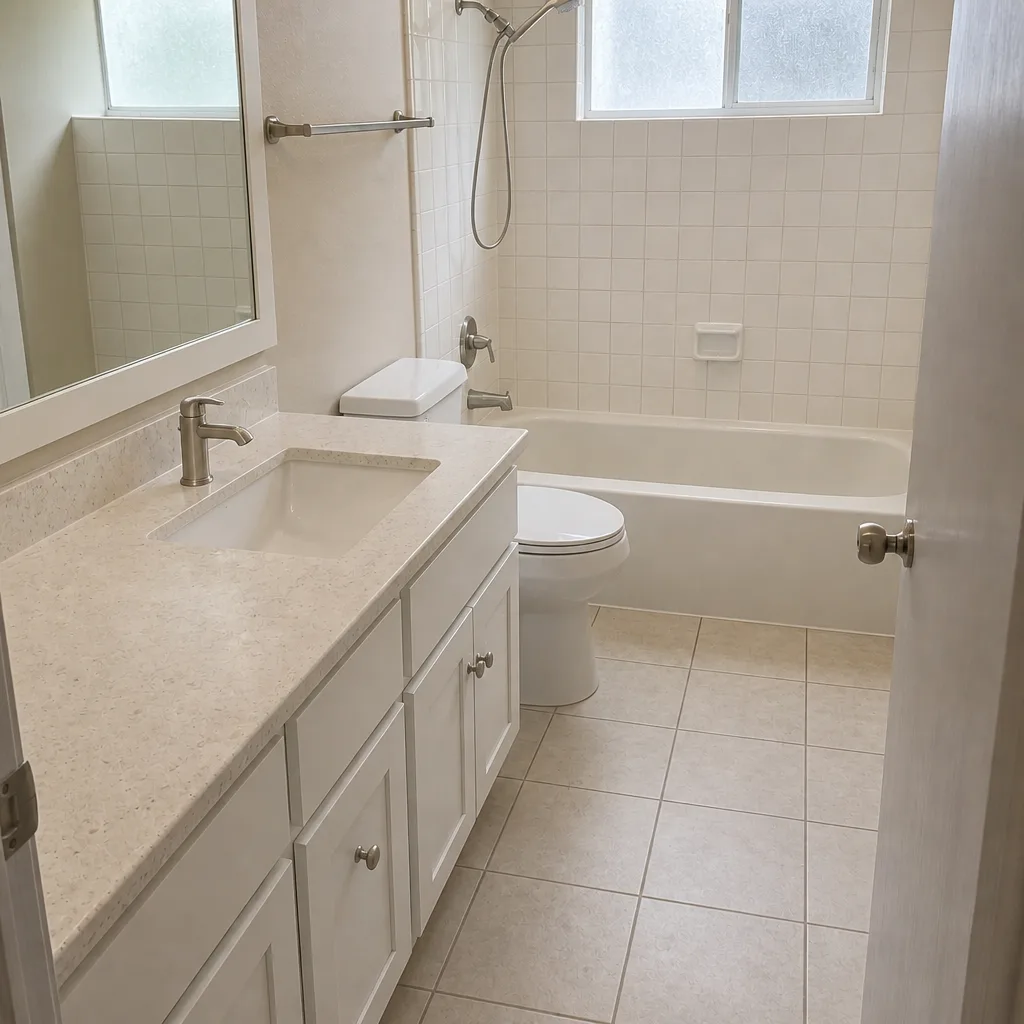 After
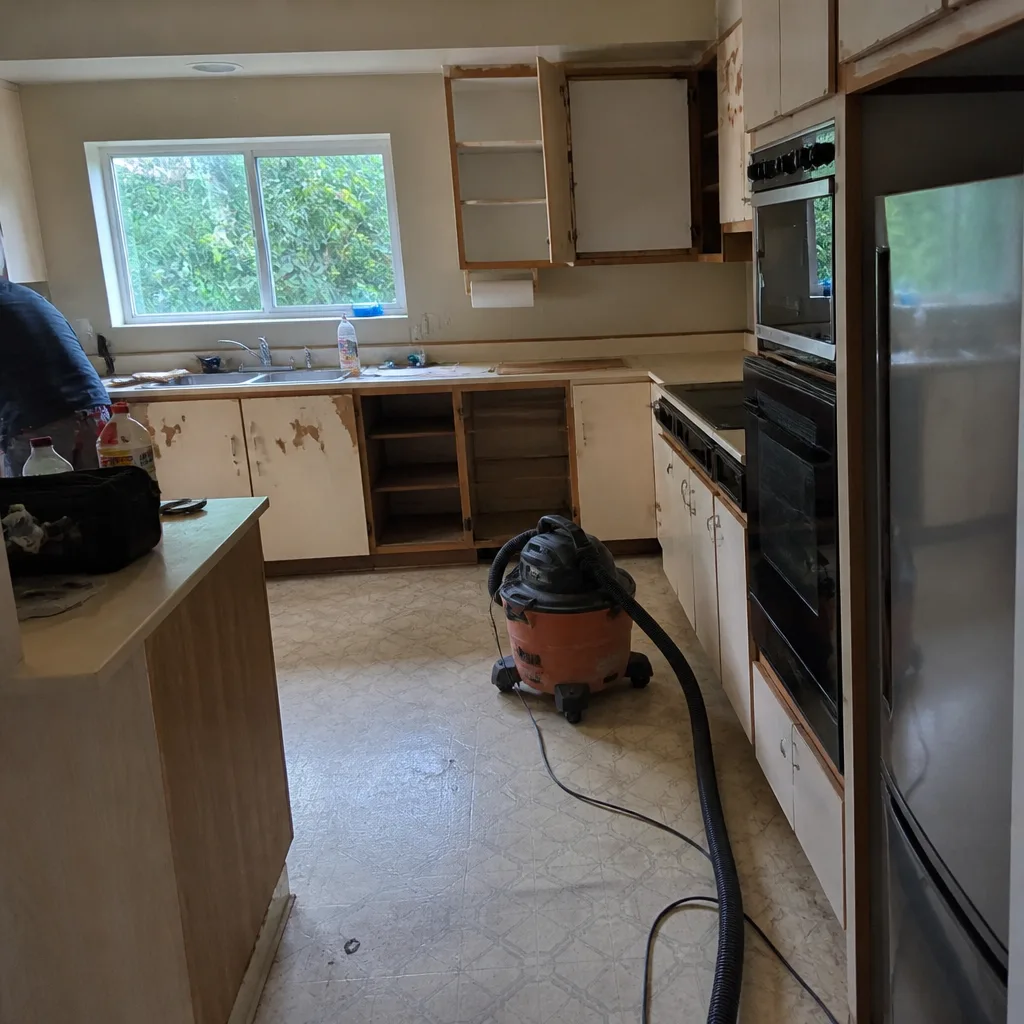 Before
 After
When to Call a Professional
Some things in a home are homeowner jobs. Others genuinely require a licensed professional, and a homeowner attempting them risks injury, code violations, and insurance problems. Call a professional when there’s structural damage, when a gas line is involved, when a panel needs work, when water is behind a wall, or when a repair requires a permit. Bellevue Remodeling Pros offers free estimates in Bellevue. Call (425) 675-0145. We answer 24/7. Fast dispatch from 7am to 7pm, Sunday through Friday. When you call outside dispatch hours, we book the visit into the next opening.
Frequently Asked Questions

We quote each job individually based on a written estimate, so the price depends on the scope of damage and the materials involved. There’s no standard figure, and we don’t quote without seeing the work. Call (425) 675-0145 to schedule a free estimate.
Often yes. Bellevue’s building department decides whether a given repair needs a permit, and it’s safer to ask before you start than to discover the requirement later. Most structural, electrical, and plumbing repairs do require one. Call us to talk through the specifics of your case.
Possibly not, or possibly only partially. Unpermitted work creates ambiguity about what’s covered, and some insurers exclude it. If you have unpermitted work in the house, it’s worth asking your insurer directly about your coverage now, before a loss. If you’re considering a rebuild or bringing past work up to code, call (425) 675-0145 for a free estimate.
Yes, and it’s worth asking for one before you need it. A rider lays out post-damage terms, pricing method, and documentation commitments in advance, which removes friction in a crisis. Call us to talk about what a rider for your home would include.
We answer 24/7. A call outside dispatch hours is booked into the next opening, Sunday through Friday, 7am to 7pm. Nothing gets lost, and you’ll know exactly when a technician is coming.
It can, particularly if an open-plan conversion removed a shear wall without an engineered replacement or if the foundation wasn’t bolted and braced. The good news is that these issues can usually be identified from the permit file and addressed. Call (425) 675-0145 for a free estimate on assessing or correcting your home’s structural performance.
The Bottom Line
Emergency preparedness for a Bellevue home starts with knowing your specific risk profile: the seismic behavior of an older foundation, the drainage on a hillside lot, and the way a modern system comes back after a power loss. It continues with documentation, because a folder of permits, specs, and inspection cards is what turns a slow claim into a fast one. And it ends with a pre-qualified contractor relationship, ready before you need it. If you do those three things, you’ll be ahead of most homeowners in Bellevue. Our technicians have up to 14 years of experience, and we’re glad to talk through any part of it.
Call (425) 675-0145 to schedule your free estimate. We answer 24/7. Fast dispatch from 7am to 7pm.
Written by the team at Bellevue Remodeling Pros.